


Sell Used iPhone for Cash in the USA (2026 Guide)
Compare trade-in, buyback, and marketplace options to get the most cash for your used iPhone in the USA. Learn how to prepare, avoid scams, and choose the best offer.
Read More


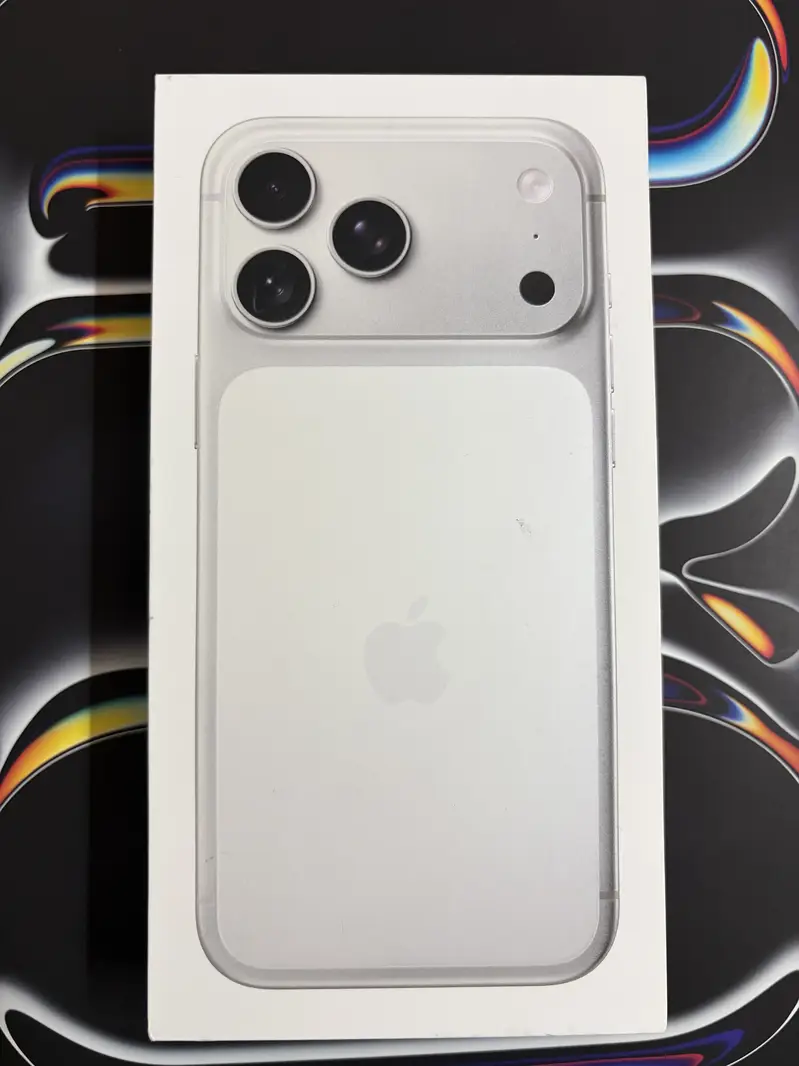
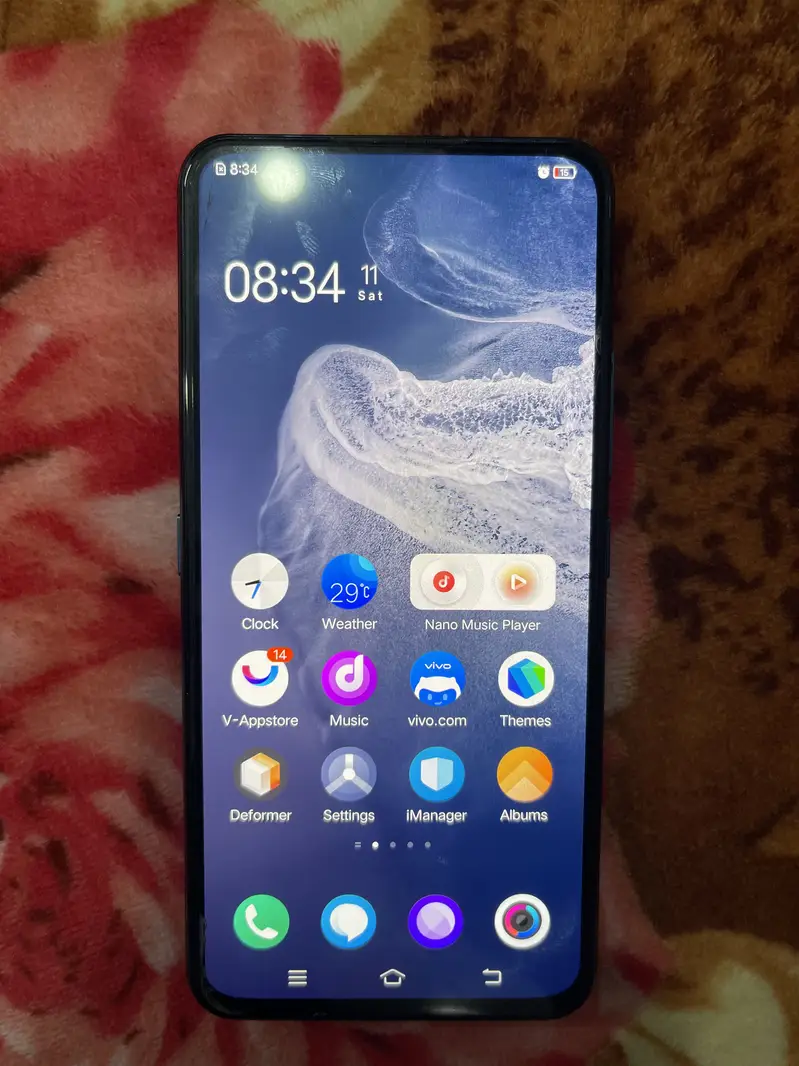
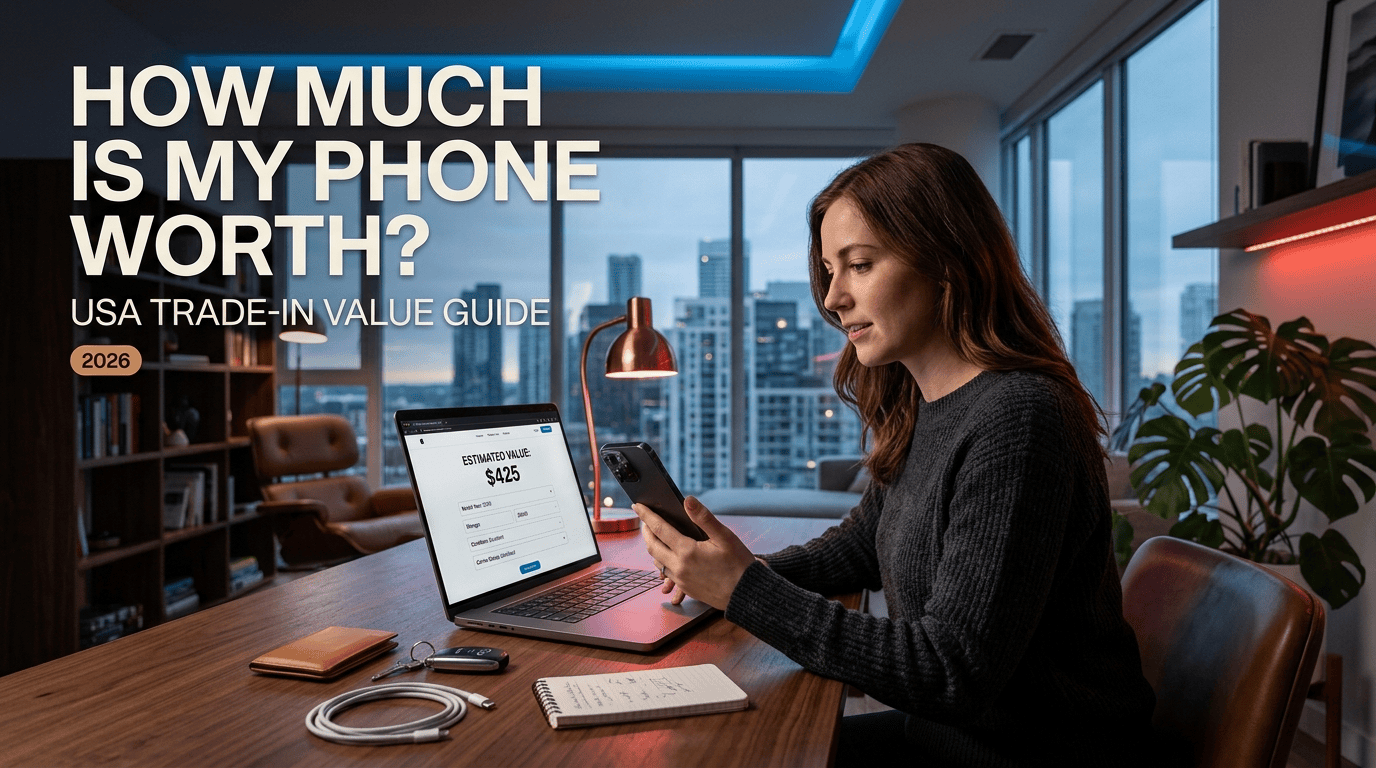
The value of a used phone in the United States is not a single number. It changes based on the phone’s model, age, storage size, condition, carrier status, and the type of buyer you choose. In 2026, the same device can receive a lower quote from a trade-in program and a higher price in a private sale. The goal is to help you estimate a realistic value and avoid common mistakes that reduce your payout.
Several factors drive used phone prices in the US. Understanding them helps explain why two sellers with the same model can receive different offers.
Current-generation and recent flagship devices have the strongest resale value. A phone that is one year old usually has more value than a three-year-old budget model. Once a manufacturer announces a new model, older versions typically drop in price within weeks.
Higher storage tiers command a premium, but the premium is not proportional to the original price. A 256GB phone is worth more than a 128GB model in the same condition, but the difference on the used market is often modest. Buyers care more about whether the storage fits their needs than about the original upgrade cost.
Condition is one of the most controllable factors. Scratches, dents, cracked glass, camera lens damage, and worn buttons all lower the offer. A phone with a flawless screen and clean body will always receive the strongest quote.
Battery condition affects both trade-in and private sale value. On iPhones, buyers often check the battery maximum capacity in Settings. A battery that drains quickly or shows a low maximum capacity will reduce the quoted value, even if the phone looks clean.
An unlocked phone can be used on multiple US networks, so it has a larger pool of potential buyers and often sells for more. A phone locked to a single carrier is less flexible. If the device is still being financed or has been reported lost or stolen, it may not be eligible for trade-in at all.
Used phone prices move with supply and demand. When a new iPhone or Galaxy lineup launches, older models usually become less valuable. Selling before major release events tends to protect resale value.
You do not need a paid valuation. The best approach is to run the same phone details through several free sources and compare the results.
| Source | Type | Payment | Effort |
|---|---|---|---|
| Apple Trade In | Manufacturer | Apple gift card or credit toward new device | Low |
| Samsung Trade-In | Manufacturer | Credit toward new Samsung product | Low |
| Verizon, AT&T, T-Mobile | Carrier | Bill credits or device credit | Low |
| Best Buy | Retailer | Store credit or trade-in credit | Low |
| Amazon Trade-In | Retailer | Amazon gift card | Low |
| Gazelle | Buyback site | Cash, PayPal, or check | Low |
| Decluttr | Buyback site | Cash, direct deposit, or PayPal | Low |
| Swappa | Marketplace | Direct buyer payment | Medium to high |
| eBay | Marketplace | Direct buyer payment | Medium to high |
Trade-in and private sale serve different priorities.
Trade-in programs are the fastest way to get rid of a phone. You receive a guaranteed quote, skip negotiations, and avoid most buyer fraud risk. The main downside is that trade-in offers are usually lower than what the phone could fetch in a private sale. Manufacturer and carrier programs often pay in credit rather than cash, which limits flexibility.
Selling privately through Swappa, eBay, or a local marketplace usually produces a higher price. The tradeoff is time and effort. You must list the phone, answer questions, ship it safely, and verify payment. There is also a small risk of returns or disputes.
| Factor | Trade-In | Private Sale |
|---|---|---|
| Payout | Lower | Higher |
| Speed | Minutes to days | Days to weeks |
| Effort | Low | Medium to high |
| Risk | Low | Some |
| Payment | Store credit, bill credit, or cash | Cash, PayPal, or direct payment |
| Condition tolerance | Many accept damaged phones | Buyers prefer good condition |
Phones lose value over time. The decline starts immediately after purchase and continues as newer models arrive. In the US market, depreciation patterns are not identical across brands.
iPhones tend to hold resale value longer than most Android phones. Strong demand for used iPhones, years of software support, and a large secondary market all contribute. Samsung Galaxy flagships also retain value reasonably well, while many budget and mid-range Android phones lose value faster. Once a phone is several generations old, its resale value is often limited to specific buyers or recycling programs.
Condition and completeness matter. A well-maintained phone with the original box and unused accessories is easier to sell privately, though these extras rarely change a trade-in quote.
Different buyers use different labels, but the general expectations are consistent.
No visible scratches or dents. The screen and body look factory-fresh. Battery health is high, and the device has not been repaired. This grade receives the highest offers.
Light signs of use. Minor scratches may be visible on the back or sides, but the screen is free of cracks. All buttons, cameras, and ports work. Battery performance is still solid.
Noticeable wear such as scratches, small dents, or scuffs. The screen may have light scratches but no cracks. Battery life may be reduced. Many trade-in programs accept this condition, but at a lower price.
Cracked screen or back, heavy dents, non-working buttons, camera problems, or serious battery issues. Manufacturer and carrier programs may accept damaged devices for a reduced amount. Private buyers generally avoid poor-condition phones unless the price is very low.
Honest condition reporting prevents problems later. If a buyer inspects the phone and finds damage that was not disclosed, the quote can be reduced after the fact.
Carrier lock status has a direct impact on resale value. An unlocked phone is easier to sell and often worth more.
Open Settings > General > About and look for “Carrier Lock.” If it says “No SIM restrictions,” the phone is unlocked. If a carrier name appears, it may still be locked.
Android devices vary by manufacturer and carrier. Some show lock status in Settings, but many require you to contact the carrier or test with a SIM from another network.
A phone that is still under an installment plan is not fully yours to sell. Trading or selling it before it is paid off can create problems for the next owner and may result in the device being blacklisted. Confirm the phone is paid off and has a clean IMEI/ESN before selling or trading.
Maximizing value requires a little preparation and comparison.
Never accept the first offer. Check at least three sources: a manufacturer trade-in program, a carrier promotion, and a private sale listing. The differences can be significant.
If possible, sell before the next model launch. Once new models are announced, older phones often lose value quickly.
If the device is eligible and paid off, request an unlock from the carrier. An unlocked phone expands the buyer pool and often commands a higher price.
Back up your data, sign out of all accounts, remove the SIM and memory card, and factory reset the phone. For iPhones, turn off Find My and remove Activation Lock. A phone still tied to your account has almost no resale value.
Carrier trade-in offers can look generous but may come as monthly bill credits over 24–36 months. If you leave the carrier before the credits are complete, the remaining value may be lost. Understand the terms before you accept.
The original box and cable can help a private listing stand out, but they rarely increase trade-in value. Focus on condition first.
A cracked screen or an old budget phone will not bring a high price. In some cases, recycling may be the most practical option.
Avoid these errors to protect your payout.
Because live trade-in values change weekly, fixed dollar examples become stale quickly. Instead, use this comparison framework.
Imagine you have a two-year-old flagship iPhone with 256GB storage, good condition, unlocked, and battery health around 87%. The likely quotes would follow a clear pattern:
If the same phone had a cracked screen, every offer would drop. Some trade-in programs would still accept it at a reduced value, while private buyers would expect a much lower price.
The most reliable way to estimate your phone is to run the same live comparison with the exact model and condition.
On an iPhone, go to Settings > General > About and check Carrier Lock. If it says “No SIM restrictions,” the phone is unlocked. On Android, contact your carrier or test the phone with a SIM from another network.
Yes, many manufacturer and carrier trade-in programs accept damaged phones, but the offer will be lower than the same model in good condition. Private buyers are often less willing to pay for cracked screens.
Yes. Remove the SIM and any memory card, sign out of all accounts, and factory reset the device before shipping or handing it over.
Apple trade-in is faster and simpler. Swappa often returns more cash because you are selling directly to another person. Choose based on whether you prioritize convenience or maximum payout.
Values can change weekly and sometimes daily during new phone launch periods. A quote you receive today may not be valid in a month.
It increases value, but not by the full original price difference. A 256GB phone usually receives only a modest premium over a 128GB model in the same condition.
Pay it off before selling or trading. A phone still under an installment plan can cause problems for the next owner and may not be eligible for trade-in.
A phone’s worth in the US depends on model, storage, condition, carrier status, and where you sell. The fastest way to get a realistic number is to compare multiple free quotes. Trade-in programs save time, while private sales usually bring in more money. Before accepting any offer, confirm the phone is paid off, unlocked, and free of activation locks. Those steps protect both the price and the sale.
