


Sell Used iPhone for Cash in the USA (2026 Guide)
Compare trade-in, buyback, and marketplace options to get the most cash for your used iPhone in the USA. Learn how to prepare, avoid scams, and choose the best offer.
Read More


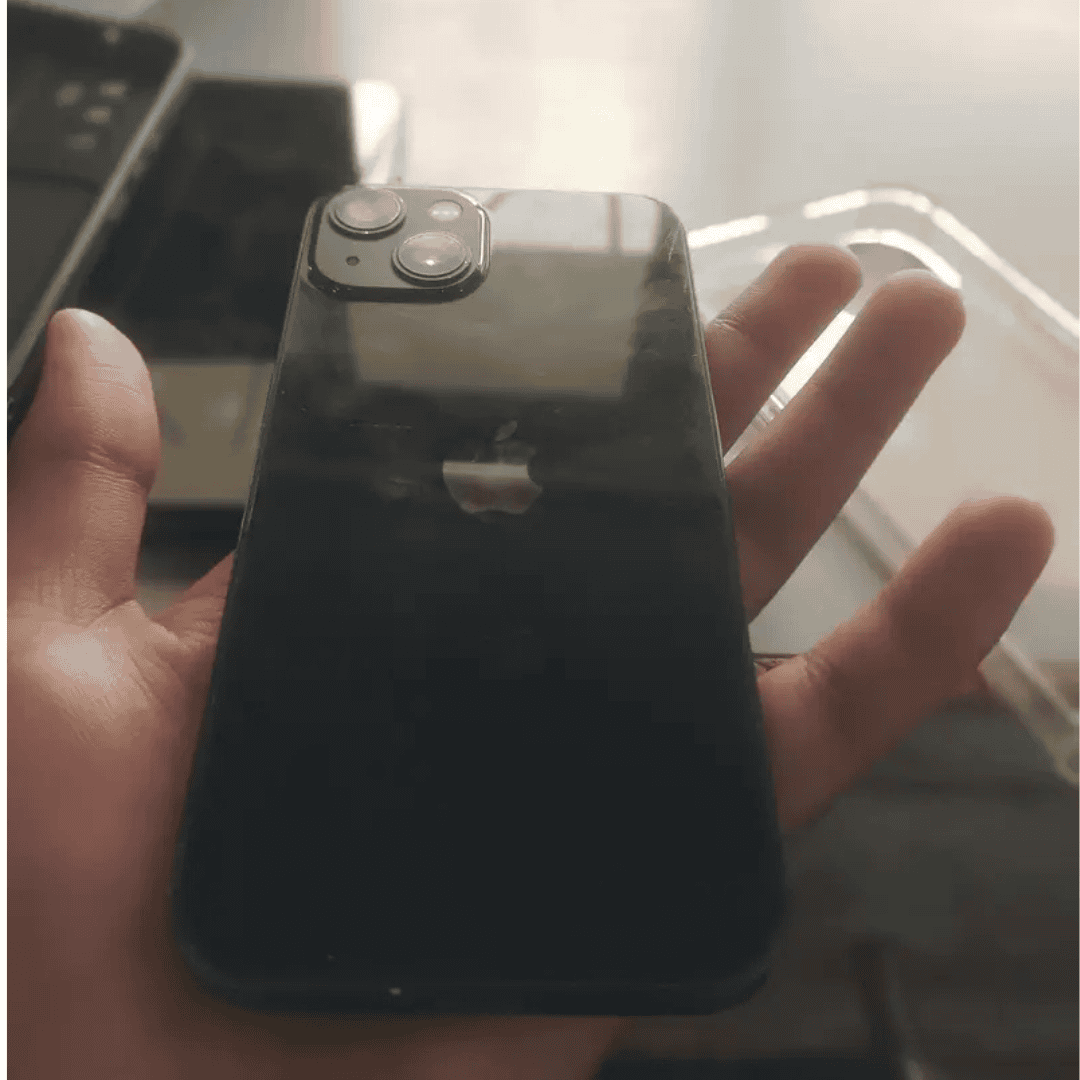
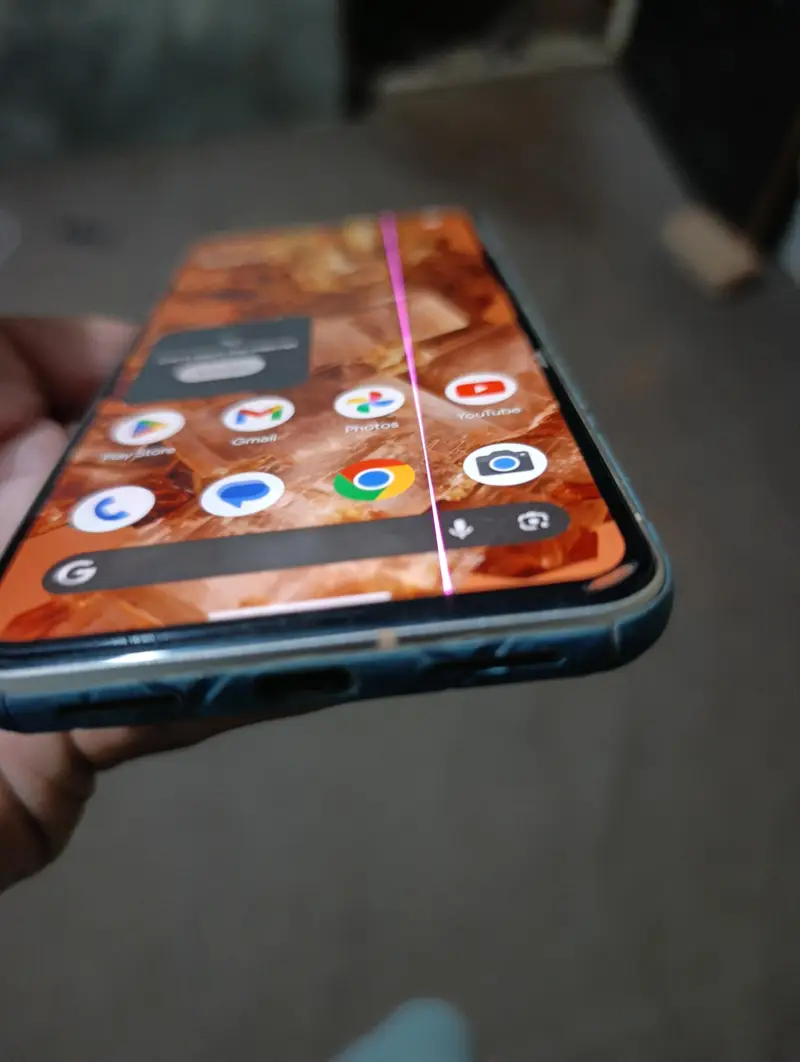

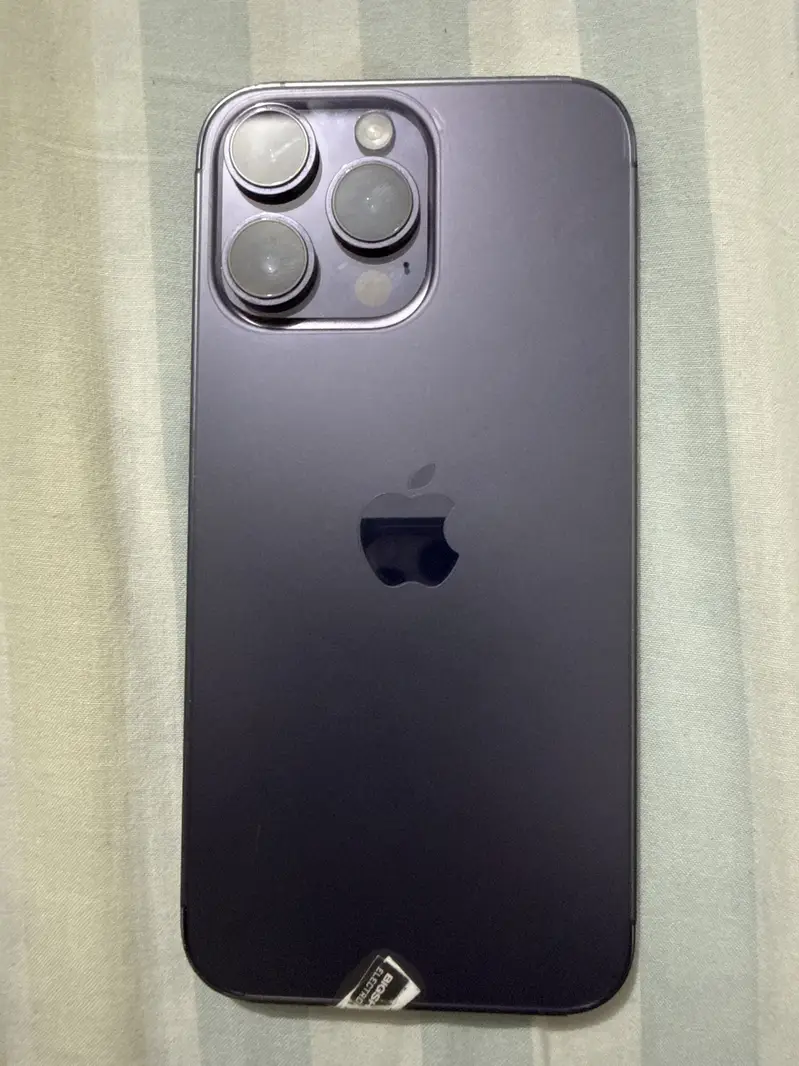

Buying a used phone online can be safe in the USA, but the outcome depends less on the phone and more on how you pay, who you buy from, and whether you verify the device before money changes hands. A used iPhone or Android phone can save hundreds of dollars, but the same market attracts scammers who list phones they do not own, sell blacklisted devices, or disappear after payment.
The short answer is yes: it is safe to buy a used phone online in the USA when you use a reputable marketplace, check the phone’s identifier, and pay through a method with real buyer protection. The risk is not the concept of a used phone. The risk is skipping verification or sending money to a stranger without recourse.
This guide explains how to avoid used phone scams in the USA, how to verify a used phone before buying, and which payment methods give you the strongest buyer protection.
Yes, buying a used phone online in the USA is generally safe if you control the transaction. Most problems happen when buyers ignore warning signs or pay outside a protected checkout.
The used phone market includes trustworthy sellers, established resellers, and ordinary people upgrading their devices. It also includes scammers who know that phones are high-value, easy to ship, and in constant demand. That does not mean the entire market is unsafe. It means the safe buyers are the ones who verify the phone and choose payment methods that protect them.
A safe purchase usually has three features:
When any of those three is missing, the risk increases.
Understanding the risks makes them easier to avoid.
A phone reported lost or stolen can be added to a blacklist database. In the USA, carriers use this information to block the phone from being activated on many networks. A blacklisted phone may still work on Wi-Fi, but it may not make calls or use cellular data.
A phone can also be blacklisted for reasons other than theft. Some carriers blacklist devices tied to unpaid installment plans or fraud. That means even a phone that was not stolen can become unusable on certain networks.
An iPhone with Find My still enabled has Activation Lock. The phone will ask for the previous owner’s Apple ID and password after a reset. Without that information, the phone is unusable.
Android phones have Factory Reset Protection. If the previous owner did not remove their Google account before resetting the device, the phone may require their account credentials during setup.
Sellers should remove these locks before shipping. A seller who refuses to do so may be selling a phone they do not actually control.
Photos can hide scratches, cracks, weak batteries, or failing components. A seller may describe a phone as “like new” when it has a replaced screen, a battery at 70% health, or a charging port that only works in certain positions.
This is why clear photos, specific condition questions, and a return policy matter.
Some listings sell counterfeit phones made to look like popular models. Others sell phones that were repaired with low-quality parts. The outside may look correct, but the internal hardware may not match what the seller claims.
This risk is higher on social media listings and unverified websites than on established marketplaces with listing standards.
Some listings are not about selling a phone at all. They are designed to collect money and disappear. Common tactics include fake escrow sites, fake buyer protection emails, and pressure to pay through Zelle, Venmo personal payments, Cash App, gift cards, wire transfers, or cryptocurrency.
Once that money is sent, it is often impossible to recover.
A used phone from a random seller may have no warranty and no return option. If the phone fails after a week, the buyer may have no remedy unless the payment method or platform offers protection.
The most important step is verifying the phone before you pay.
IMEI stands for International Mobile Equipment Identity. It is a unique identifier for the phone. Most modern phones use an IMEI. Older CDMA devices may use a MEID or ESN.
Ask the seller to provide the identifier in a private message. A legitimate seller may be cautious about posting it publicly, but a serious seller should share it with a serious buyer. If the seller refuses, treat that as a red flag.
Use a stolen phone database to check whether the device has been reported lost or stolen. The CTIA’s free Stolen Phone Checker allows you to enter the IMEI or MEID and check against participating databases. You can also contact the carrier you plan to use and ask whether they can check the device status.
A clean result is helpful, but not a guarantee. The check only reflects what has been reported at that moment. A phone could be reported stolen later, so keep records of the listing and the check result.
For iPhones, ask the seller to turn off Find My and remove the device from their Apple account before shipping. You can ask for proof that Activation Lock has been removed. Apple also offers an Activation Lock status check that uses the IMEI or serial number.
For Android phones, ask the seller to remove their Google account and factory reset the phone before shipping. If the phone arrives and asks for the previous owner’s Google account, it was not properly reset.
A carrier-locked phone only works with a specific network. An unlocked phone can be used with compatible carriers.
Ask the seller whether the phone is unlocked. If it is locked, confirm that the lock is compatible with your intended carrier. Some locked phones can be unlocked later, but not all.
Request the original receipt or proof of purchase if the seller has it. The receipt can help confirm that the seller owned the phone and may be useful if the phone is later reported stolen.
Ask for clear photos of the actual device, not stock images. Useful photos include the screen, back, edges, charging port, and settings screen showing the model and storage capacity. For iPhones, a screenshot of battery health can show the maximum capacity.
Use marketplaces that show seller history and feedback. Look for a verified seller profile, completed sales, and recent positive reviews. A new account with no history and multiple expensive phones listed at low prices is riskier than an established seller with consistent feedback.
Payment method is the strongest scam filter. Buyers who choose protected payment methods can recover their money if the phone never arrives or is significantly different from the listing.
| Payment Method | Buyer Protection | Notes |
|---|---|---|
| Credit card through platform checkout | Strong | File a dispute if the item is not as described or not delivered. |
| PayPal Goods and Services | Strong when eligible | Do not use “Friends and Family.” |
| Platform buyer protection, such as eBay Money Back Guarantee | Strong | Stay on the platform and follow the policy. |
| Zelle, Venmo personal, Cash App personal | Weak or none | Designed for trusted contacts, not purchases from strangers. |
| Wire transfer, gift cards, cryptocurrency | Effectively none | Hard to trace and nearly impossible to recover. |
For high-value phone purchases, an escrow payment may sound appealing. A third party holds the money until you confirm the phone is as described. Legitimate escrow services exist, but scammers also create fake escrow websites.
If you want to use escrow, choose the service yourself and verify the company independently. Type the web address directly into your browser. Do not use an escrow link sent by the seller. In most marketplace purchases, a secure checkout with platform buyer protection is simpler and safer.
The Federal Trade Commission’s consumer protection guidance is clear that scammers favor payment methods that are difficult to reverse. Avoid sending money by gift card, wire transfer, or cryptocurrency to someone you do not know. Be cautious with Zelle and personal Venmo or Cash App payments, because these are often treated as cash transfers rather than purchase transactions.
A seller who insists on those payment methods, especially after promising a safe escrow or buyer protection, is showing a classic scam signal.
The safest options are marketplaces and resellers that combine seller accountability with some form of buyer protection.
Established online marketplaces such as eBay and Swappa allow peer-to-peer sales but provide listing rules, seller feedback, and payment procedures that reduce risk. Direct resellers such as Gazelle and Decluttr test and grade phones before selling them. Refurbished phone sellers may include warranties, but the terms vary.
A random social media listing is not automatically a scam, but it usually has no buyer protection, no return policy, and no verified seller system. If something goes wrong, the buyer often has no practical remedy.
When buying from any marketplace, stay on the platform’s secure checkout. If a seller asks you to move the conversation to text or email and pay through a different app, you may lose the platform’s protections.
Watch for these warning signs:
A single warning sign may have an innocent explanation. Multiple warning signs usually mean the deal is not worth the risk.
When the phone arrives, act quickly.
If the phone is not as described, contact the seller or platform immediately. Do not wait beyond the return window. File a dispute with your payment provider if the seller or platform does not resolve the problem.
If the phone turns out to be blacklisted, stop using it and contact the platform where you bought it. Report the listing and provide the evidence you collected. If you paid by credit card or PayPal Goods and Services, file a dispute through that payment method.
Do not try to resell a blacklisted phone as a working device. In some cases, you may also need to contact local law enforcement, especially if the phone was reported stolen. The platform and payment provider can guide you through their specific dispute process.
It can be safe if you stay on eBay, check the seller’s feedback, verify the IMEI, and pay through eBay’s checkout. eBay’s Money Back Guarantee may cover a phone that never arrives or is significantly not as described, but you must follow the platform’s rules and time limits.
Yes. Ask the seller for the IMEI or MEID and run it through the CTIA’s free Stolen Phone Checker. You can also check with your intended carrier. For iPhones, check whether Activation Lock is still enabled before completing the purchase.
A credit card used through the marketplace’s secure checkout is usually the safest option. PayPal Goods and Services can also provide protection when the transaction qualifies. Avoid Zelle, Venmo personal payments, Cash App personal payments, wire transfers, gift cards, and cryptocurrency when buying from a stranger.
Treat the refusal as a warning sign. A seller who will not provide a device identifier makes verification impossible. You should not pay for a phone you cannot check.
Facebook Marketplace can be safe for in-person transactions in a public place, but it has fewer protections for shipped purchases. If you buy locally, meet in a safe location, inspect the phone, test the IMEI, and pay only after you verify the device. Shipped Marketplace purchases are riskier because buyer protection may be limited.
Refurbished phones from reputable programs are often safer because they have been tested and may include a warranty. However, the same verification still applies. Check the IMEI, confirm the phone is unlocked or compatible, and understand the seller’s return policy.
Contact the payment provider immediately. If you used a credit card or PayPal Goods and Services, file a dispute. If you used Zelle, Venmo personal, Cash App, gift cards, wire transfer, or cryptocurrency, recovery may be difficult, but you should still report the scam to the platform and the FTC.
Buying a used phone online in the USA is safe when you treat verification and payment protection as part of the purchase. The phone itself is only half the decision. A clean IMEI check, a properly removed activation lock, a seller with real history, and a protected payment method dramatically reduce your risk. If any of those pieces is missing, the better move is to find another listing.
