


How to Check Battery Health on iPhone and Android Before Buying
Exact menu paths for iPhone, Pixel, and Samsung, what the percentages mean, and why a used phone reading 100% is sometimes the biggest warning sign of all.
Read More



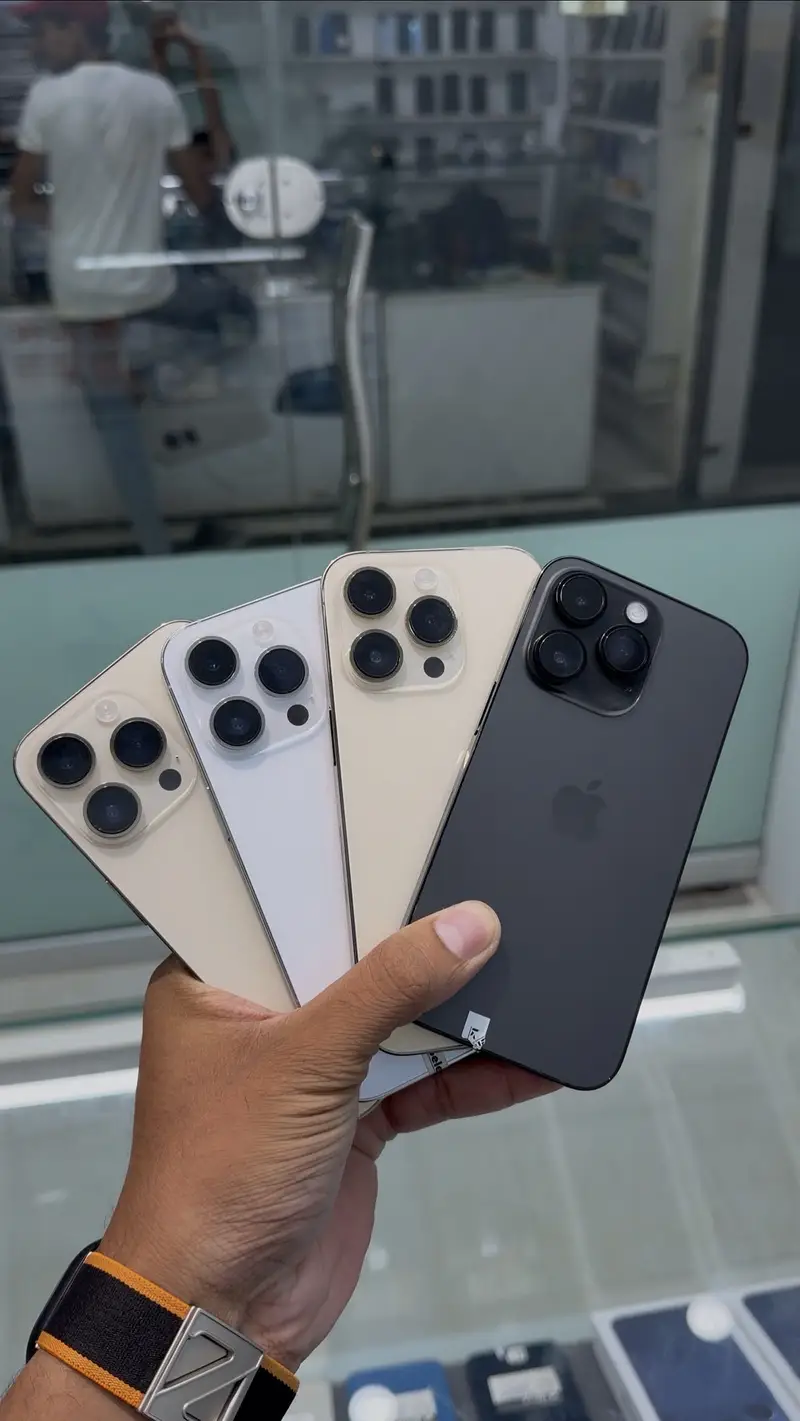


Two sellers, same model, same condition, four months apart. One listed in July and had three serious enquiries in two days. The other listed in late October, competing against everyone who had just upgraded, and dropped his price twice before it moved.
The phone didn’t change. The number of identical phones for sale did.
Used phone prices are driven by supply far more than by condition, and supply arrives in predictable waves tied to a calendar you can look up a year in advance.
Supply spikes when people upgrade. Every major launch, every carrier promotion, every post-holiday period produces a wave of sellers offloading the phone they just replaced. When dozens of identical listings appear in the same fortnight, prices fall regardless of how good any individual phone is.
Demand rises when people buy. Gift-giving seasons, back-to-school periods, and moments when households have extra money produce buyers rather than sellers.
The best selling window is any point where the first is low and the second is high. The worst is the reverse, and the reverse is exactly what most people do, because they sell their old phone right after buying a new one — at the same time as everybody else who bought the same new phone.
Manufacturers refresh their lineups on fairly predictable annual rhythms. Apple announces new iPhones in the autumn. Samsung’s flagship Galaxy S line lands early in the year, with foldables mid-year. Google’s Pixel flagships arrive in the autumn.
What matters for sellers is that the market reprices at the announcement, not the release. The moment a successor exists, every listing for the outgoing model is competing with a wave of upgraders, and the drop happens weeks before anyone can actually buy the new phone.
So the rule that beats every other piece of timing advice: sell six to eight weeks before your model’s line is announced. For an iPhone that means selling in summer, not September. For a Galaxy S it means selling in late autumn, not January.
Look up when your specific line was announced in previous years and count backwards. That single calculation is worth more than the rest of this article.
Approximate, and shaped by which brand you own.
| Period | Supply | Demand | Verdict for sellers |
|---|---|---|---|
| January | High — holiday upgraders sell, Galaxy S announcement | Moderate | Poor, especially for Samsung owners |
| February–March | Still elevated | Moderate | Below average |
| April–June | Low | Steady | Good — quiet market, few competing listings |
| July–August | Low, rising late | Rising, back-to-school | Strong, particularly for iPhone owners selling ahead of autumn |
| September–October | Very high — autumn announcements | Moderate | Worst window of the year |
| November | Falling | Rising sharply | Decent, if you missed the summer |
| December | Low | High — gift buying | Good for sellers, though buyers get distracted late in the month |
Two seasonal effects worth naming separately.
Post-holiday January is consistently rough. People who received a new phone in December sell the old one in January, all at once.
Pre-holiday November is genuinely good. Buyers are shopping for gifts, supply has thinned after the autumn wave, and a well-presented listing competes against fewer alternatives.
The global calendar above is only half the picture, and the local half is often stronger.
In markets where Eid drives major seasonal spending, the weeks before each Eid produce a real spike in demand for phones — both as gifts and as self-purchases funded by bonuses. Listing into that window works well. The period immediately afterwards tends to be quieter as budgets recover.
Elsewhere, tax refund season, annual bonus periods, and the start of the academic year all do the same thing: put money in buyers’ hands. If you know when your local market has money, that’s a better guide than any launch calendar.
Similarly, watch local carrier promotions. An aggressive upgrade offer produces a flood of trade-ins and private listings within weeks, and it’s not on anybody’s published calendar.
Sometimes the phone needs to go now. Three things narrow the gap.
Present it better than the competition. In a crowded market, the listing with twelve photos, a battery health screenshot, and the IMEI included wins the buyers who are comparing four listings side by side. Our photography and listing guide covers the specifics.
Price against completed sales, not active listings. In a supply wave, active listings are full of optimistic prices that aren’t selling. Pricing against them means joining them.
Consider trade-in for low-value devices. If the phone is worth relatively little, the private-sale premium may not justify waiting for a better window. Our sell, trade in, or keep guide works through that threshold.
The people who consistently get good prices aren’t lucky. They’ve made two decisions in advance.
They picked a replacement interval and stuck to it. Two years or three, decided once. That converts an emotional decision made under the influence of a launch event into a scheduled one.
They set a reminder eight weeks before the expected announcement. Not to sell necessarily, but to check prices and decide deliberately.
That’s the entire system. It works because the alternative — deciding to sell in the same week you decide to upgrade — guarantees you sell into the flood.
If you want a version that takes no discipline at all: keep one cheap backup phone. Owning a spare removes the constraint that forces people to sell late, because you can list the old phone before the new one arrives without spending a week without a device. Our sell, trade in, or keep guide makes the case for that spare on other grounds too.
Everything above inverts if you’re on the other side.
The worst selling window is the best buying window. Two to eight weeks after a major announcement, listings pile up, sellers compete, and the same phone in the same condition costs noticeably less than it did in the summer. January is similarly good for buyers, for the same reason it’s poor for sellers.
The quiet stretches — spring, early summer — are when buyers face the thinnest selection and the firmest prices.
So if you’re doing both, which many people are, the order matters: sell into the quiet stretch, buy during the flood. Doing it the other way round is a double loss, and it’s what happens by default when you upgrade on launch day and sell afterwards.
Most people sell their old phone after buying the new one, because that’s the order events happen in.
It’s the wrong order financially. The old phone is worth the most in the weeks before the new one is announced, which is also the period when you’re least motivated to deal with it.
The fix is unglamorous: sell early, use the old phone or a cheap spare for a few weeks, then buy the new one. You take a small inconvenience in exchange for selling into a thin market rather than a flooded one.
And whatever the calendar says, a phone sitting unused in a drawer is losing value continuously while providing nothing. The best time to sell a phone you’ve stopped using is generally now, adjusted by a few weeks in whichever direction the calendar suggests. Our pricing guide covers the preparation that makes the most of whatever window you land in.
Three situations where timing advice stops applying.
The phone is already old. Once a device is near the bottom of its curve, seasonal swings are small in absolute terms and waiting costs more than it recovers. Sell it.
You’ve stopped using it. A drawer phone earns nothing and loses value continuously. The theoretical better window in four months rarely survives contact with the fact that you’ll forget.
The phone has a fault that’s getting worse. A battery in decline, a port that’s becoming intermittent, a screen with a spreading crack. These get cheaper to disclose the sooner you disclose them.
Conversely, one situation where waiting genuinely pays: you’re within a few weeks of a known local demand peak, the phone is current enough to have real value, and it’s still your daily device so holding costs you nothing. That’s the case where patience is worth something.
Suppose you own a phone from a line that has been announced in September for several years running, and you intend to upgrade this autumn.
The default plan — buy the new phone in September, list the old one in early October — puts your listing into the single most crowded fortnight of the year, competing against every other person doing exactly the same thing.
The alternative costs you a few weeks of mild inconvenience. List in mid-July, when almost nobody is selling that model. Use a spare, or accept a short gap. Buy the new phone in September as planned.
Same phone, same condition, same amount of effort. The only difference is which side of the supply wave you landed on, and it’s the difference between three interested buyers in two days and dropping your price twice.
If you don’t have a spare and can’t face the gap, the compromise is listing in late August rather than October — after the quiet stretch but still before the announcement repriced everything.
What’s the single best time to sell a phone?
Six to eight weeks before your model’s line is due to be announced, when supply is thin and the market hasn’t repriced yet.
Is it bad to sell right after a new model launches?
It’s the worst window of the year. Every upgrader is selling the same phone simultaneously, and prices fall accordingly.
Should I sell before or after the holidays?
Before. November demand is strong and supply is thinning. January is the opposite on both counts.
Does it matter which brand I own?
Yes, because the calendar shifts with the launch schedule. Galaxy S owners face their supply wave early in the year; iPhone and Pixel owners face theirs in autumn.
How much difference does timing actually make?
Enough to be worth planning around — the gap between a thin market and a flooded one is one of the larger price factors a seller controls, and unlike a battery replacement it costs nothing.
Do accessories follow the same seasonal pattern?
Loosely. Chargers, cases, and earphones see a demand bump in gift-giving periods but don’t experience the supply floods that launches create, since nobody replaces a charger because a new phone was announced. Timing matters much less for accessories than for phones.
What if my phone is already a few years old?
Timing matters less as a phone ages and its price approaches the floor. At that point, selling promptly beats waiting for a window.
Look up the announcement date for your phone’s line in each of the last two years, take the earlier of the two, and count back eight weeks. Put that date in your calendar. That’s your selling window, and it’s almost certainly sooner than you were planning.
When it arrives, list your phone on ExploreFrag with photos ready and a price anchored on what comparable devices actually sold for.
Emran Ahmed is the founder and CEO of ExploreFrag, a marketplace for buying and selling used phones and accessories across every brand. He watches listing volume spike in the same weeks every year and still finds it slightly funny that the flood arrives precisely when the fewest people should be selling. He now tells anyone planning an autumn upgrade to sell in July.


