


How to Buy a Used Mobile Phone Without Getting Burned
Check IMEI, battery health, and repair history before you pay. A used phone buying guide built from real listings, real sellers, and real mistakes.
Read More


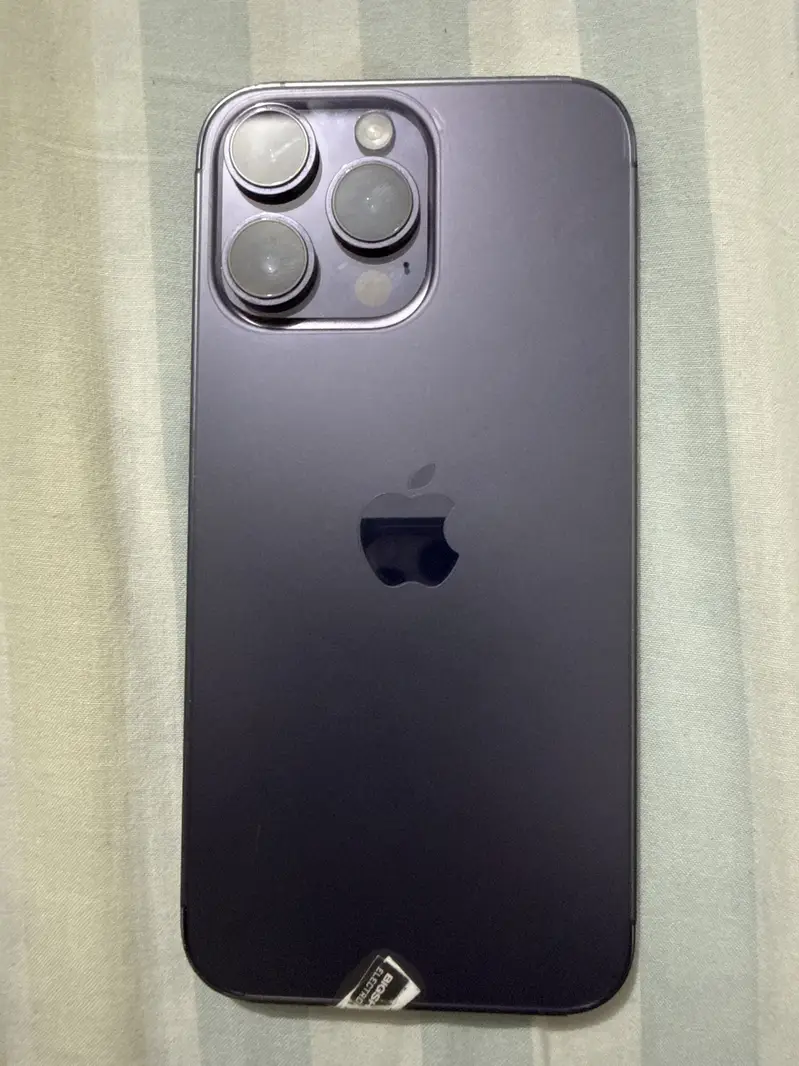

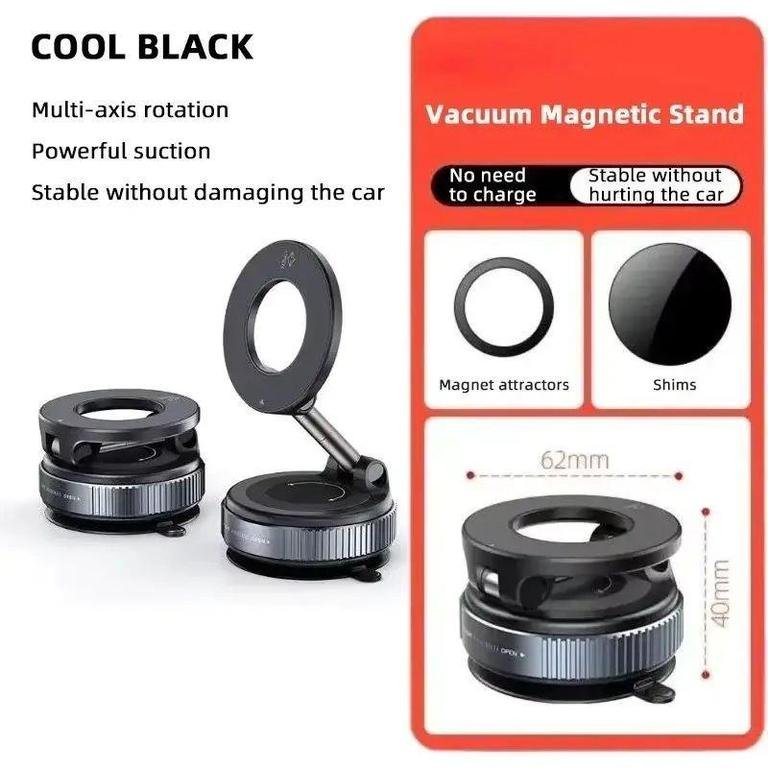
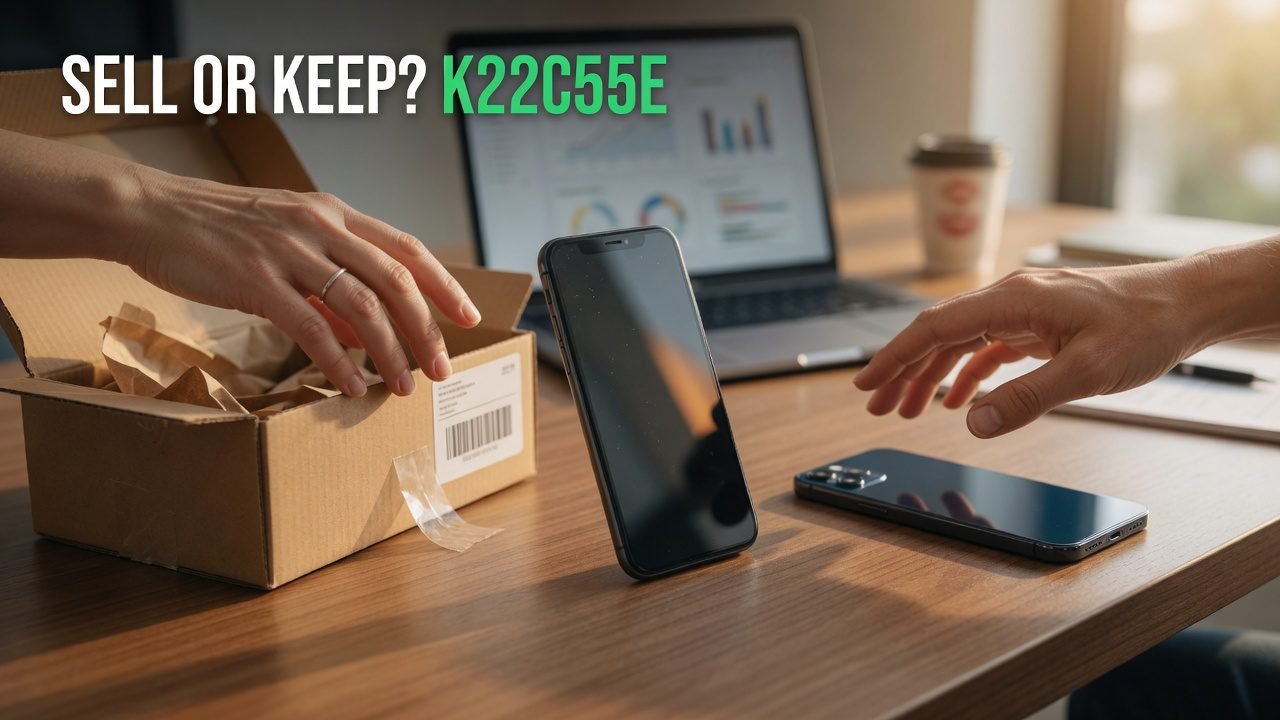
There’s a drawer. Everyone has the drawer. Inside it are two or three phones that were worth something once, are worth less now, and will be worth nothing eventually — and the reason they’re still there is that deciding what to do with them never quite reaches the top of anyone’s list.
The decision isn’t actually hard. It just has three genuinely different right answers depending on two variables, and most advice picks one answer and argues for it universally.
What’s the phone realistically worth today? Not what you paid, not what a pristine one lists for — what yours, in its condition, with its storage tier, would actually fetch.
How much is your time worth against that number? A private sale takes a couple of hours across listing, messages, and a meetup. Trade-in takes twenty minutes.
Run those together and the answer usually falls out:
| Phone’s realistic value | Best move | Why |
|---|---|---|
| Above ~$250 | Sell privately | The gap over trade-in is worth the afternoon |
| ~$100–250 | Depends on your time | Sell if you’ll do it this week; trade in if it’ll otherwise sit six months |
| Below ~$100 | Keep it, or recycle it | The price gap is now smaller than the hassle |
| Below ~$40, or faulty | Repurpose or recycle | Selling costs more effort than it returns |
Those thresholds are judgement, not law. Adjust them for how much you dislike meeting strangers in car parks.
Private sale reliably nets the most, often by a wide margin over trade-in on anything reasonably current. You set the price, you keep the whole amount, and you can wait for the right buyer.
The costs are real though: photographs, a description, fielding messages from people who’ll never show up, and a meetup. Call it two hours spread over a week or two.
It’s clearly the right call above a couple of hundred dollars. Our guide on getting the highest price for a private sale covers the timing and preparation that widen the gap further.
Trade-in exists because certainty has value. You get a quote, you send or hand over the phone, you’re done. No strangers, no negotiation, no listing sitting unanswered.
What you’re paying for that is a meaningful chunk of the phone’s value. Three things worth knowing before you accept a quote:
Store credit is not cash. Many manufacturer and carrier programmes pay in credit toward a new device, which is fine if you were buying from them anyway and a hidden discount if you weren’t.
Quotes get revised after inspection. Mail-in services typically quote on your self-assessment, then re-grade on arrival. The revised offer is frequently lower, and at that point your options are accepting it or paying return shipping. Photograph the phone thoroughly before it goes in the box — timestamped, all sides, screen on.
Carrier trade-ins often bind you to a contract. The headline value can look generous because it’s spread across bill credits over two or three years, and leaving early forfeits the remainder. That’s not a trade-in, it’s a discount with a lock-in.
Trade-in makes real sense in two situations: the phone is worth little enough that the gap doesn’t matter, or you’re buying from the same company and the credit is genuinely usable.
The default assumption is that an unused phone is dead weight. Sometimes it is. But there are a handful of uses that beat its resale value outright, particularly once the phone drops under about a hundred dollars.
A genuine emergency backup. If your main phone is lost, stolen, or dropped down a drain, having a working device you can put a SIM or eSIM into within the hour is worth more than the seventy dollars it would have sold for. This is the strongest case, and it’s the one people underrate until the week they need it.
A dashcam. A mount, a permanent charge cable, and a loop-recording app. An old flagship’s camera is better than most purpose-built dashcams at that price.
A home security or pet camera. Wall mount, power, and a streaming app. Costs nothing and beats a cheap dedicated camera on image quality.
A dedicated music or podcast device. For running, cycling, or the gym, where you’d rather not carry an expensive phone.
A travel phone. Carry the old one abroad with a local eSIM and leave the current one at home. Losing it in a taxi becomes an inconvenience rather than a disaster.
A kid’s first device. No SIM, Wi-Fi only, with restrictions set up. Considerably cheaper than buying something new for the purpose.
A wall-mounted controller for smart home apps, a kitchen recipe screen, or an always-on clock and calendar.
Some of these are stretches. The emergency backup and the dashcam aren’t.
Lithium batteries degrade in storage, and how you store them changes how fast.
Charge to roughly half before putting a phone away — not full, not empty. A battery left at 100% for a year ages faster than one left at 50%, and one left at 0% can discharge past the point of recovery. Somewhere cool and dry, and top it up to half again every six months or so.
A phone stored full and forgotten for two years frequently comes out with a battery that’s noticeably worse than it was going in, which quietly ends the “I’ll sell it later” plan.
If the phone doesn’t power on, has significant water damage, or is old enough that no one wants it, selling isn’t a real option and neither is repurposing.
Manufacturer take-back programmes and municipal electronics recycling both handle these. Wipe the device first if it can still be switched on; if it can’t, physically destroying the storage isn’t practical on a modern phone, but a device that won’t boot is also encrypted and effectively unreadable.
Don’t put it in general waste. Lithium cells in landfill and in bin lorries are a genuine fire hazard, and the recovery of the materials is worth doing.
Occasionally worth it for a broken flagship. A cracked-frame iPhone with a working screen, camera module, and logic board can be worth more in pieces than whole — but only if you already have the tools, the patience, and somewhere to sell components.
For almost everyone, this is a hobby rather than a decision. Sell it as a faulty device with honest photos and let a repairer do the work.
Is trading in a phone ever worth it over selling?
Yes, when the phone’s value is low enough that the price gap doesn’t justify the effort, or when you’re buying from the same company and the credit offsets a purchase you were making anyway. Above roughly $250 of real value, private sale almost always wins.
How much less does trade-in pay than private sale?
Enough to matter on anything current. The gap narrows as phones get older and cheaper, which is exactly why trade-in makes more sense at the bottom of the range.
What’s the best use for an old phone I keep?
An emergency backup, kept charged to about half and stored somewhere you’ll remember. A dashcam is the strongest active use if you drive regularly.
Should I wipe a phone I’m keeping as a backup?
Yes, and set it up fresh. A backup phone still logged into old accounts is a security problem sitting in a drawer, and our reset guide covers the sequence.
My phone doesn’t turn on. Is it worth anything?
Sometimes, as a faulty device to a repairer, especially for recent flagships. List it honestly as non-working with clear photos rather than trying to describe it optimistically.
How do I know what mine is realistically worth?
Look at completed sales for the same model, storage tier, and condition rather than at asking prices. Our buying guide for the $400–600 tier gives a sense of where recent flagships land.
Go and look in the drawer. For each phone in there, answer one question: is this worth more than a hundred dollars? The ones that are should be listed this week. The ones that aren’t should be a dashcam, a backup, or recycled — but not left where they are.
If something in there is worth selling, list it on ExploreFrag and it’ll be gone before it depreciates any further.
Emran Ahmed is the founder and CEO of ExploreFrag, a marketplace for buying and selling used phones and accessories across every brand. He has opinions about the drawer, mostly because he sees what phones are worth when people finally get around to listing them versus what they were worth a year earlier. He keeps exactly one backup phone, charged to half, in a kitchen drawer.


