What Affects the Resale Value of a Smartphone?

What Affects the Resale Value of a Smartphone?

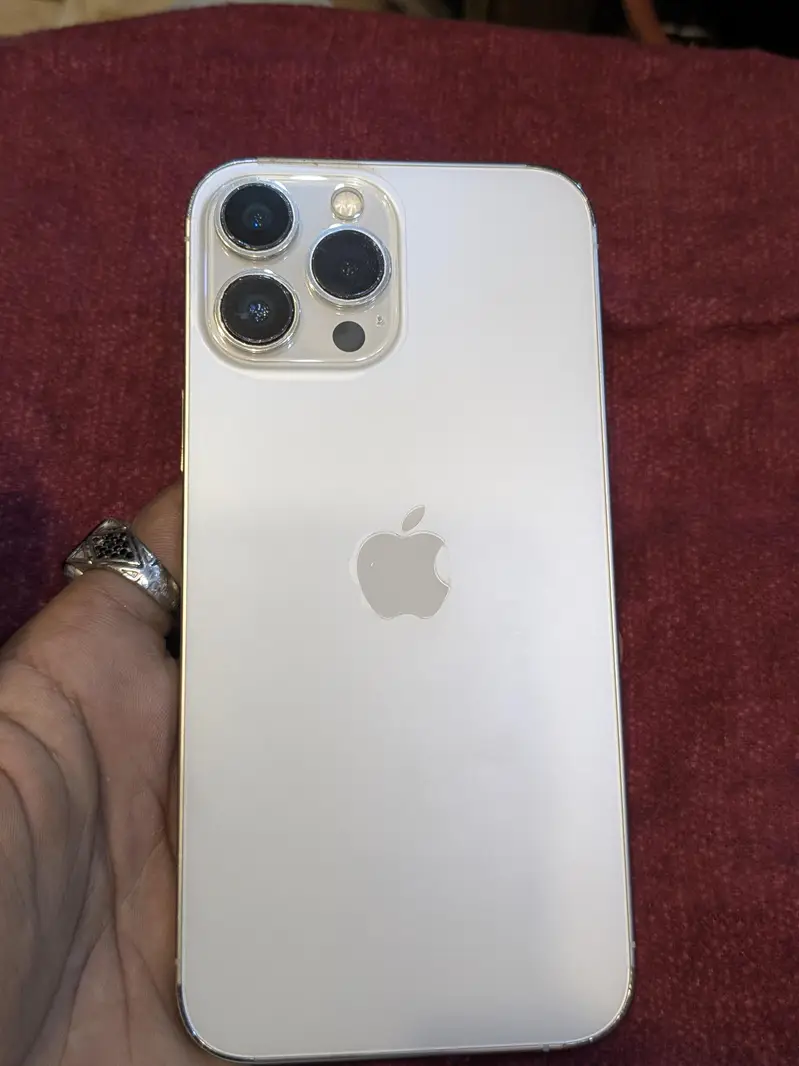
Two identical iPhones, same model, same storage, same week, same city. One sold for noticeably more than the other.

The cheaper one had a slightly better screen. What it didn’t have was the box, a receipt, or an answer to the question of whether the display had ever been replaced. The buyer paid less because he was pricing in things he couldn’t rule out.

That’s the part sellers underestimate. Resale value isn’t a measurement of how good a phone is. It’s a measurement of how confident a buyer can be about it, and those are different problems with different solutions.

The twelve things buyers are actually pricing

Roughly ordered by how much each one moves the final number.

1. Which model, and where it sat in the lineup

The base variable everything else adjusts. Flagship models hold a larger share of their original price than budget models do, partly because budget phones were already priced close to their production cost and have less room to fall.

Within a generation, the standard model usually holds value more predictably than the largest one. Big models cost more new, appeal to fewer buyers used, and sit in listings longer.

2. How many years of software support remain

The most underweighted factor in the market, and the one I’d argue matters most in 2026.

A phone that stops receiving security updates becomes hard to sell at any price, because informed buyers won’t touch it and uninformed buyers eventually become informed. Manufacturers now publish this: Google commits to seven years on recent Pixel generations, Samsung matches that from the Galaxy S24 line onward, and Apple publishes no formal window while historically delivering roughly five to six years of major releases.

Take the launch year, add the window, subtract the current year. That remaining number is doing more work in the price than most sellers realise.

3. Whether the parts are genuine

A phone carrying a non-genuine display or battery sells for meaningfully less than one that doesn’t, and the gap is usually larger than the repair saved.

On devices that log their own repair history, this is visible to any buyer in the settings menu, which means it isn’t negotiable or deniable. A properly documented manufacturer-authorised repair, by contrast, barely dents the price and sometimes helps — a recent genuine battery is a selling point.

4. Battery health

The first thing most buyers ask about. Above roughly 85% and it’s a non-issue; below 80% and buyers price in a replacement, frequently at a rate above what the replacement actually costs.

5. Storage capacity

The gap between storage tiers is often wider used than it was new. Base-storage models compete with every other budget option; high-capacity ones have fewer rivals and buyers who specifically want them.

6. Carrier status

A phone not tied to a network sells for more and sells faster, because it’s available to every buyer rather than a subset. If yours is locked and the balance is settled, requesting release before listing is usually free and usually worth it.

7. Cosmetic condition

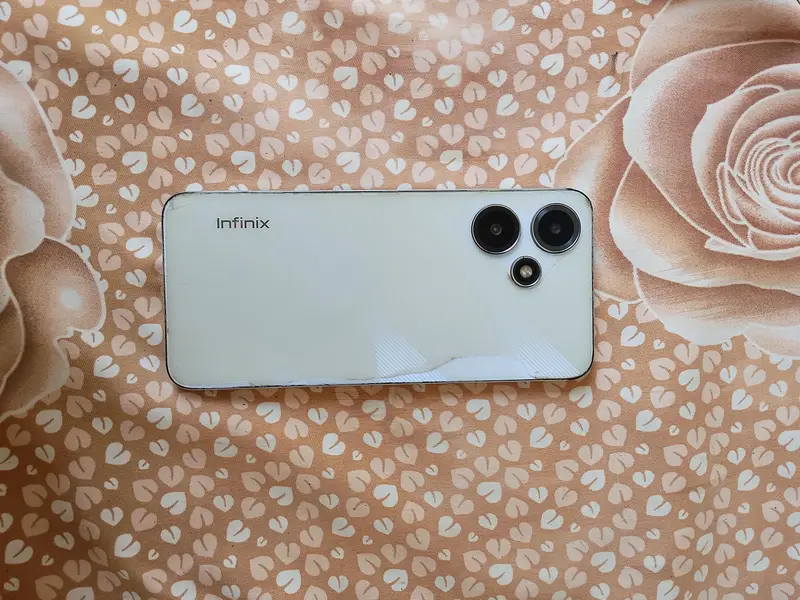
Present, and lower on this list than sellers expect. Buyers discount visible wear, but they discount uncertainty about hidden faults far more aggressively. A scratched phone with full documentation often outsells a pristine one with none.

8. The box, the cable, and the paperwork

Cheap to keep, disproportionately valuable at resale. Packaging plus a receipt in your name signals a legitimate, well-kept device and removes the buyer’s largest unspoken worry.

9. Region variant

More consequential than it sounds. A unit built for another market may lack the network bands or carrier certification your local buyers need, and informed buyers check the model suffix. Regional quirks — eSIM-only units, non-defeatable camera shutter sounds in certain markets — narrow the buyer pool.

10. Colour and finish

Real, small, and unpredictable. Standard finishes move faster. Unusual colours can sit for weeks, which matters more for how quickly you sell than for the final number.

11. Where the phone is in the release cycle

Prices step down around each successor’s announcement rather than declining smoothly. Selling three weeks before an announcement and three weeks after are materially different transactions.

12. Brand resale reputation

Circular but real. Phones from brands with a reliable used market attract more buyers, which supports prices, which sustains the market. Brands without that ecosystem depreciate faster regardless of hardware quality.

Value drivers you control, and ones you don’t

FactorCan you influence it?Effort to fix
Battery healthYes, via authorised replacementModerate cost, often profitable
Genuine partsOnly before a repair happensZero after the fact
Box and accessoriesYes — find themTen minutes
Carrier releaseUsually yesOne request, free
DocumentationYesMinutes
Cosmetic conditionPartly — clean it properlyTwenty minutes
Timing of saleYes, entirelyFree, and the largest lever
Model, storage, colourNo
Software support windowNo
Region variantNo

The pattern in that table is the actual lesson. Almost everything you can influence costs little or nothing, and the biggest of them — when you sell — is free.

The confidence premium

Here’s the thing that unifies the whole list.

Buyers in the used market are managing risk they can’t fully assess. They can’t know whether the screen was replaced, whether the phone was financed, whether it’ll be blocked in three months. Every one of those unknowns gets converted into a discount.

Anything that removes an unknown recovers part of that discount. The IMEI in the listing. A battery health screenshot. The parts history. The box. A receipt. An offer to let the buyer complete setup on their own account before paying.

None of it changes the phone. All of it changes the price, because you’ve moved risk off the buyer’s side of the table. Our guide to writing a listing that sells covers how to present that material without writing an essay.

Estimating your phone’s value in ten minutes

A method, since “it depends on twelve factors” isn’t an answer anyone can act on.

Start with completed sales, not asking prices. Find your exact model and storage tier and look at what actually sold in the last few weeks. Active listings tell you what hopeful sellers want; completed ones tell you what buyers paid.

Take the middle of that range as your baseline. Not the top — the top usually had the box, perfect condition, and a patient seller.

Adjust down for each unknown you can’t resolve. No box, no receipt, unclear repair history, financed and unproven: each of these is a reason a buyer discounts.

Adjust down for battery below 85% by roughly the local cost of an authorised replacement.

Adjust down hard for non-genuine parts. This is the largest single deduction on most phones, and it isn’t negotiable because the buyer can see it in the settings menu.

Adjust up for the box, accessories, documentation, and a long support runway. Modest individually, meaningful together.

Then check where you are in the release cycle. If a successor is due to be announced within two months, either sell now or accept that your baseline is about to move.

Ten minutes, and it produces a defensible number rather than a hopeful one. It also produces the list of things worth fixing before you list.

Accessories and bundles

A brief note, because sellers routinely misjudge this.

Bundling a case, a charger, and a screen protector rarely raises the price. Buyers treat these as throw-ins and mentally value them near zero, partly because they can’t verify that a charger is genuine.

What does raise the price is the original accessories that shipped with the phone, in the original box. That’s a different signal — it says the device is complete and was looked after, rather than that you found some spare bits in a drawer.

If you have genuinely valuable accessories, sell them separately. A good pair of earphones or a decent charger has its own buyer and its own price, and folding them into a phone listing usually means giving them away.

What barely matters

Worth saying, because sellers spend effort here.

Screen protectors and cases you’ve used. Nice that the phone was protected; nobody pays extra for the accessories themselves.

Low usage claims. Unverifiable, therefore ignored. “Barely used” is the most common phrase in the market and carries no information.

Original purchase price. Buyers price against today’s market, not your 2023 receipt. Bringing it up reads as an anchor and irritates people.

Charging cycles below a certain number, quoted without context. Battery health percentage is what buyers understand and check.

Veelvoorkomende fouten om te vermijden

  • Optimising cosmetics while ignoring documentation. Buyers pay for certainty first.
  • Getting a cheap third-party screen fitted before selling. It’s a permanent record on many devices and costs more than the crack did.
  • Selling after a successor is announced. The single most expensive avoidable decision.
  • Throwing out the box. Free money, discarded.
  • Listing a locked phone at an unlocked price. Buyers check with their own SIM and renegotiate.
  • Ignoring the support runway when pricing. Informed buyers won’t, and they’re the ones who pay properly.
  • Letting an unused phone sit for months. Depreciation runs whether the phone does or not.

The one factor that overrides the rest

If a phone can’t be verified as legitimate, none of the twelve matters.

A device that fails a blacklist check, sits on an unpaid instalment plan, remains tied to a previous owner’s account, or lacks the registration its market requires isn’t a cheap phone. It’s an unsellable one, and no amount of pristine condition changes that.

This is worth stating plainly because sellers sometimes assume a good phone will find a buyer regardless. Informed buyers run these checks before they discuss price, and the ones who don’t run them are the ones who come back angry a month later. Our guide to checking whether a phone is blocked covers what they’ll be looking at.

Resolve the status question first. Then optimise everything else.

Veelgestelde vragen

What single factor affects resale value the most?

Which model it is, since that sets the baseline. Of the things a seller can actually control, timing the sale relative to the next model’s announcement moves the number more than anything else.

Does colour really affect what a phone sells for?

Slightly, and it affects how fast it sells more than what it fetches. Standard finishes have the widest buyer pool; unusual ones can sit.

Is it worth replacing the battery before selling?

On a phone worth several hundred with health under about 80%, usually yes, through an authorised service. On cheaper phones, disclose the figure and price accordingly — the repair rarely returns its cost at that tier.

Do scratches matter much?

Less than sellers fear, provided they’re photographed and disclosed. Hidden flaws cost far more than visible ones, because buyers discount for what they can’t verify.

Why do some phones hold value so much better than others?

A combination of long software support, a large and confident used market, and consistent demand for the specific model. Hardware quality alone doesn’t do it.

Does a warranty still being active raise the price?

Yes, noticeably, and it’s worth verifying with the serial number so you can state it as a fact rather than a claim. Remaining manufacturer coverage removes risk from the buyer’s side, which is exactly the thing they’re paying for.

Does the original box genuinely add value?

Yes, consistently. It’s the cheapest thing on this list to supply and one of the strongest signals of a well-kept, legitimately owned device.


Take your phone and list the unknowns a buyer would have about it. Battery health, repair history, carrier status, whether it was financed. Every one you can answer in the listing is money you’re currently leaving with the buyer.

When you’re ready, list it on ExploreFrag — and our pricing and timing guide covers how to turn these factors into an actual number.


About the author

Emran Ahmed is the founder and CEO of ExploreFrag, a marketplace for buying and selling used phones and accessories across every brand. He spends most of his week looking at why two identical phones sell for different amounts, and the answer is almost never the phone. He remains convinced that the box in the cupboard is the most underrated asset in the used market.

Phone Depreciation: How Fast Do iPhones and Androids Lose Value?

Phone Depreciation: How Fast Do iPhones and Androids Lose Value?

The chart people imagine is a smooth downward slope. The reality looks more like a staircase built by someone in a hurry — long flat stretches interrupted by sudden drops, most of them landing on dates you could have marked in a calendar a year in advance.

Understanding where the steps are is worth more than any general claim about which brand holds value. If you know when the next drop lands, you know whether to sell this month or wait.

Note on figures: the patterns below come from observing listing and sale behaviour, not from a published dataset. Treat them as the shape of the market rather than as precise numbers, and check current prices for your specific model.

Depreciation happens in steps, and here’s where they are

Step one: the first few weeks. A phone loses its “new” status the moment it’s opened. Open-box units sell below retail immediately, even when they’ve never been switched on.

Step two: the first successor announcement. The largest single drop for most models. Note that it’s the announcement, not the release — the market reprices the moment a replacement exists, weeks before anyone can buy one.

Step three: roughly a year in. Supply climbs as annual upgraders sell, and the phone is now two generations from current.

Step four: each subsequent announcement. Smaller steps, but they keep coming, and they compound.

Step five: the support cliff. When a model approaches the end of its security update window, informed buyers stop considering it and the price falls off a shelf. This step is getting more pronounced as buyers become more aware of update policies.

Between steps, prices are remarkably stable. A phone sitting in a flat stretch loses very little over a couple of months, which is why “sell it eventually” is a worse strategy than it feels — you’re not losing slowly, you’re waiting for the next cliff.

Why iPhones have historically held value better

Not brand loyalty, or not only that. Four structural reasons.

A narrow, legible lineup. A handful of models per year, named predictably. A buyer looking for a specific iPhone knows exactly what they want, and that clarity supports pricing.

Long software support. Apple publishes no formal policy, but iPhones have historically received major iOS releases for roughly five to six years. A long support tail keeps a phone saleable further into its life.

A deep used market. Enough buyers and sellers that prices are discovered efficiently and a listing finds a buyer quickly.

New-price discipline. Apple rarely discounts current models heavily, which keeps the ceiling above the used market intact. When new units get discounted aggressively, used prices are pulled down with them.

Why Android has depreciated faster, and why that’s changing

The traditional Android disadvantage came from the mirror image of those four points: crowded lineups with many similar models, heavy discounting on new units within months of launch, shorter support windows, and fragmented demand across dozens of brands.

The discounting one deserves emphasis. If a phone that launched at a given price is routinely available new at a substantial discount six months later, no used listing can hold above that. The used market has a ceiling set by the cheapest new price, and Android manufacturers have historically set that ceiling low, fast.

Two things have shifted since 2024.

Support windows expanded dramatically. Google’s commitment of seven years on recent Pixel generations, matched by Samsung from the Galaxy S24 line onward, changes the arithmetic at the back end of a phone’s life. A device with four years of updates remaining at age three is a genuinely different asset from one with a year left.

Buyers started checking. The support window only supports resale value if buyers know about it. That awareness has grown, and it shows up in what people will pay for a three-year-old Pixel versus a three-year-old phone from a brand with a two-year policy.

My read: the gap between Apple and the top-tier Android lines has narrowed meaningfully, and it’s narrowest at the three-to-five-year mark, where the extended support windows do their work. The gap against second-tier Android brands hasn’t narrowed at all.

How the curves differ by tier

TierEarly depreciationLate depreciationWhy
Flagship, strong supportSteep in year oneGentle after year twoLong update runway sustains demand
Flagship, short supportSteep in year oneFalls off near support endBuyers exit as patches stop
Upper mid-rangeModerate throughoutModerateLess far to fall, steadier demand
BudgetShallow in absolute termsReaches near-zero quicklyLittle value to lose, short support
“Ultra” and largest modelsSteepest of the flagshipsGentleHigh launch price, narrower used demand

The counterintuitive row is the last one. The most expensive phone in a lineup usually loses the most money in absolute terms, because it started highest and the used buyer pool for very large, very expensive devices is smaller.

What this means if you’re buying

Buy in a flat stretch, immediately after a step.

The best value window for a used flagship is roughly two to eight weeks after a new generation is announced, when the previous generation’s owners are all selling simultaneously and supply outruns demand. That’s the buyer’s moment, and it’s the seller’s worst one.

Then check the support runway before you commit, because the last step on the staircase is steep and you don’t want to be holding the phone when it arrives. Our buying guide for the upper-mid tier works through that calculation with specific models.

What this means if you’re selling

Sell in a flat stretch, before a step.

The practical version: if you know you’re upgrading in the autumn, sell in the summer. Use an old phone or a cheap one for a few weeks. The inconvenience is measured in days; the price difference isn’t.

And don’t let a phone sit unlisted. A device in a drawer is riding the same staircase as one in your pocket, without providing any of the benefit. Our guide to selling for the highest price covers the rest of the timing.

Working out where your own phone sits

Four steps, and you can do it in a few minutes.

Find the announcement dates for your model’s line over the last two years. Manufacturers keep to fairly consistent rhythms, so two years of history predicts the next one reasonably well.

Count how many announcements your phone has been through. Zero means you’re in the best selling position you’ll ever be in. Two or more and the steep part is behind you.

Look up the end of its security support window. Launch year plus the manufacturer’s published commitment. That’s the last cliff.

Check what the same model actually sold for in the last month, then look at what it sold for three months ago. The difference tells you whether you’re currently on a flat stretch or partway down a step.

That last comparison is the one people skip and the one that answers the practical question. A price that hasn’t moved in three months means you have time. A price that’s fallen noticeably means the step is in progress and waiting costs money.

Trade-in values follow a different curve

Worth knowing if you’re comparing routes.

Private sale prices track the market continuously — they move within days of an announcement. Trade-in values are set in advance and revised periodically, which produces a lag in both directions.

The practical consequence: in the days immediately after a successor is announced, trade-in quotes are sometimes temporarily better than the collapsing private market, because the quote hasn’t been revised yet. Then they get revised, usually downward and often sharply.

The opposite happens too. During a long flat stretch, private sale reliably beats trade-in by a wide margin, because trade-in pricing is built to be conservative.

If you’re deciding between the two, get a trade-in quote and compare it against completed private sales the same day. The gap varies enormously depending on where you are on the staircase, and the general advice that private sale always wins isn’t quite true in the week after a launch event.

The variables that bend the curve

Two phones of the same model don’t depreciate identically.

Repair history is the big one. A non-genuine display puts a phone on a permanently lower track, and it never recovers.

Battery health ages on its own schedule depending on how the phone was charged and how hot it ran.

Storage tier holds up differently — higher capacities tend to depreciate more slowly in percentage terms once a model is a few years old.

Condition matters, but less than the two above.

So “what’s a three-year-old model worth” has a wide answer, and the spread within a model is often larger than the difference between adjacent models.

What depreciation looks like from the inside

One reframing that changes how people think about upgrades.

The cost of owning a phone isn’t its price. It’s the price minus what you get back when you sell it, spread across the months you used it. A phone that costs more but holds value can easily work out cheaper per month than one that costs less and doesn’t.

That calculation also rewards selling promptly. Every month a replaced phone sits unlisted adds to the cost of the phone you already stopped using, for no benefit whatsoever.

And it explains why the support window matters so much in the current market. A phone with years of updates left has a floor under its resale value, because there’s still a buyer for it. A phone past its support window has almost no floor at all — the drop at that point isn’t gradual, and it’s the reason holding on “until it’s worth nothing” is usually a decision made by accident rather than on purpose.

Veelvoorkomende fouten om te vermijden

  • Waiting for a good moment that never comes. The good moment is now, minus one announcement cycle.
  • Assuming smooth decline. Prices sit still, then jump down. Position yourself accordingly.
  • Buying the outgoing flagship the week before an announcement. Wait three weeks.
  • Ignoring the support cliff when buying a cheap older phone. That’s why it’s cheap.
  • Treating brand as destiny. A well-supported Android now holds up better than a poorly supported one from a “premium” brand.
  • Comparing your phone to launch-day pricing. The market prices against today.

Veelgestelde vragen

Do iPhones really hold their value better than Androids?

Historically yes, and by a clear margin. The gap has narrowed against top-tier Android lines since manufacturers extended support windows to seven years, and remains wide against brands with short update policies.

When does a phone lose the most value?

In its first year, with the sharpest single drop occurring around the announcement of its successor rather than around the release.

How long should I keep a phone to get the best value from it?

If you want the best resale price, sell before the second successor announcement. If you want the best total cost of ownership, keep it until updates end and accept a low resale figure.

Does a case and screen protector slow depreciation?

They preserve cosmetic condition, which is a modest factor. They don’t affect battery health, repair history, or support runway, which matter more.

Why is the biggest model in a lineup often the worst value to buy new?

Highest launch price, smallest used buyer pool, so the largest absolute loss. As a used purchase two years later, the same characteristics make it good value.

Is a cheap phone with two years of updates left worth buying?

Only at a price that assumes you’ll replace it in two years. Divide the asking price by the years of support remaining and compare that figure across your options — it reorders most shortlists.


Look up when your phone’s line typically gets refreshed, then count backwards eight weeks. That’s your selling window, and it’s usually further away from your upgrade date than feels comfortable.

If you’re buying instead, browse what’s listed on ExploreFrag and check where each model sits on its staircase before you commit.


About the author

Emran Ahmed is the founder and CEO of ExploreFrag, a marketplace for buying and selling used phones and accessories across every brand. Watching listing prices move in steps around announcement dates is a large part of what he does with his week, and it’s why he stopped believing in the smooth-decline version of depreciation years ago.

Grading Explained: What A, B, and C Condition Really Mean

Grading Explained: What A, B, and C Condition Really Mean

A seller sent a phone to a buyback service graded, by his own honest assessment, as excellent. It came back re-graded two tiers down, with a revised offer roughly two-thirds of the original quote.

He hadn’t lied. He’d used the word “excellent” to mean what it means in English, and the company had used it to mean something specific and narrower that was defined in a document he hadn’t read.

This is the whole problem with condition grades. They look like a standard. They aren’t one.

There is no industry standard, and that’s the point

No regulatory body defines Grade A. No trade association sets the boundary between Good and Fair. Every company that uses these labels writes its own definitions, and those definitions are usually published somewhere in the small print — often at the point where you’re already committed.

The result: a phone with light scratches on the frame might be Grade A at one operation, Grade B at a second, and “Good” at a third, where “Good” is the third tier down rather than a compliment.

Two practical rules follow.

Grades are only comparable within one seller. Comparing a Grade A from one company to a Grade A from another tells you very little.

On peer-to-peer listings, a grade is an opinion. When the individual selling the phone chooses the label, you’re reading their self-assessment, which will be generous. Not dishonest, usually — generous.

What the tiers usually mean, roughly

With the caveat above firmly in place, here’s the shape most systems share.

TierCommon labelsTypical meaning
TopGrade A, Pristine, Like New, ExcellentNo visible marks at arm’s length. Screen unmarked. Often implies a new battery on refurbished stock
SecondGrade B, Good, Very GoodLight scratches on frame or back, visible on inspection but not from normal use distance. Screen clean
ThirdGrade C, Fair, AcceptableObvious cosmetic wear — scuffs, dents, visible screen scratches. Fully functional
BottomGrade D, Poor, For PartsCracks, significant damage, or functional faults. Often sold as non-working

Notice what varies between systems: whether the top tier requires a new battery, whether screen scratches drop you a tier or two, whether functional faults have their own category or collapse into the bottom one.

Notice also what’s missing from most grades entirely.

Cosmetic grading tells you nothing about the important things

This is the part that costs buyers money.

Condition grades describe appearance. They generally say nothing about:

  • Battery health. A Grade A phone can have a battery at 79%.
  • Repair history. A phone with a non-genuine display can be cosmetically flawless.
  • Which parts are genuine. Cosmetic grading doesn’t inspect provenance.
  • Whether it’s carrier-locked.
  • Blacklist or registration status.
  • How much software support remains.

Every one of those affects value more than a scratch does. A Grade A phone with a third-party screen and a battery at 78% is worth less than a Grade C phone with everything original — and no grading system in common use will tell you that.

So treat the grade as one line of a description rather than the description. Our fifteen-point inspection list covers what the grade leaves out.

How to read a grade properly

Four questions that turn a label back into information.

Who assigned it? A certified refurbisher applying a published standard, or the person selling the phone? These are different kinds of claim.

Is the standard published? If yes, read it. It takes two minutes and it’s the difference between the seller’s meaning and yours.

How many tiers are there? “Good” in a four-tier system is the third rung. In a three-tier system it’s the middle. Same word, different position.

Does the grade cover function, or only appearance? Many cover only appearance, with functional faults handled separately or not at all.

Then ignore the answer and look at the photographs, which is what an experienced buyer does anyway.

Grading your own phone honestly

If you’re selling, the grade you choose determines how many disputes you have and how fast you sell.

Assess it in daylight, from about arm’s length, then again at close range. Two distances, because that’s how buyers will look at it — once in the photos and once at the meetup.

Grade the screen separately from the body. Screen marks bother buyers far more than frame marks, and a phone with a perfect screen and a scuffed frame should be described that way rather than averaged into a single letter.

Assume the buyer will find everything. They will. Anything you round up now becomes a renegotiation later, usually at a worse price than honest description would have produced.

Describe rather than grade, where the platform allows it. “Two small scratches on the left edge, screen unmarked, back glass clean” tells a buyer more than any letter and cannot be disputed. Grades invite argument; specifics don’t.

My honest position: on peer-to-peer sales, skip the letter entirely if you can. Photographs plus a specific written description outperform any grade, because they can’t mean different things to different people.

Where grading disputes actually happen

Almost always in mail-in transactions, and the mechanism is consistent.

You self-assess and receive a quote. You post the phone. The company inspects it against their own definitions and revises the offer. Your options are accepting the new number or paying return postage.

The defence is documentation. Before the phone goes in the box, photograph every surface, the screen powered on, and the dialled IMEI screen, all in one continuous set, and photograph the packing. If the revised grade cites damage that wasn’t there when you sealed the parcel, you have something to say. Without those photos, you have an opinion.

Face-to-face sales rarely produce grading disputes for an obvious reason: both parties are looking at the same phone at the same time.

How professional refurbishers actually grade

Useful context, because it explains why their assessment differs from yours.

A typical process runs in four stages.

Functional testing first. Automated or semi-automated checks covering the screen’s touch response, every camera, speakers, microphones, sensors, buttons, charging, and radios. A phone failing any of these is diverted before cosmetics are considered.

Battery threshold. Most operations apply a hard cutoff — below a set health figure, the battery is replaced or the device drops a tier. This is why a top-grade refurbished unit often comes with a new battery while a top-grade private sale doesn’t.

Parts verification. Checking whether components are genuine, since non-genuine parts affect what they can honestly sell and what warranty they can offer.

Cosmetic assessment last, under controlled lighting, against written criteria — usually a specified viewing distance and a maximum scratch length or count.

Two things follow from this. Their grade means more than a private seller’s, because it sits on top of a functional inspection you didn’t perform. And their standards are stricter than everyday language, because they’ve been written down by someone who has to defend them.

When the grade and the photos disagree

Trust the photos.

A grade is one word chosen by someone with an interest in the outcome. Photographs are evidence, provided they’re the right photographs — screen powered on, taken at an angle under light, and covering all four edges. Our listing photography guide covers what a complete set looks like.

If the photos are limited and the grade is generous, that combination is itself information. Ask for the specific shots that are missing: the screen at an angle, each edge individually, and a close-up of anything the description glosses over. A seller who supplies them promptly is confident; one who doesn’t has answered a different question.

And if a listing shows only four photos with the screen off while claiming a top grade, treat the grade as decoration.

Veelvoorkomende fouten om te vermijden

  • Comparing grades across sellers. They’re not the same scale.
  • Assuming a top grade means a healthy battery. Cosmetic grading doesn’t measure it.
  • Self-grading generously. It costs more at the meetup than honesty would have at the listing.
  • Averaging a good screen and a bad frame into one letter. Describe them separately.
  • Posting a phone to a buyback service without photographing it first. The most common source of grading disputes.
  • Reading “Good” as good. In many systems it’s the third tier down.
  • Skipping the published standard when one exists. Two minutes, whole misunderstanding avoided.

Grading language to be careful with

A short glossary of terms that carry less meaning than they appear to.

Mint. No agreed definition anywhere. Usually means the seller is pleased with the phone.

Like new. Sometimes a defined refurbisher tier with real criteria; on a private listing, an opinion.

Minor wear / light scratches. The most common phrase in the market and among the least informative. Minor compared to what?

Fully working. Covers a lot of ground, and rarely covers battery health, carrier status, or account locks.

Refurbished. Means five different things depending on who performed it, from a manufacturer rebuild with a new battery to a wipe and a fresh screen protector. We unpack that in our comparison of used, refurbished, and open-box.

No issues. The claim most often contradicted at the meetup, usually not deliberately — sellers stop noticing wear on a phone they’ve handled daily for two years.

None of these words is dishonest. They’re just imprecise, and imprecision in a listing gets converted into a discount by any buyer who has been burned before.

Veelgestelde vragen

Is there an official phone grading standard?

No. Each company defines its own tiers, which is why identical phones receive different grades from different sellers. Always read the specific definitions where they’re published.

Does Grade A mean the phone is like new?

It usually means cosmetically unmarked at normal viewing distance. Whether it also implies a new battery, genuine parts, or a warranty depends entirely on who is using the term.

What’s the difference between Grade B and Grade C?

Broadly, Grade B is wear you have to look for and Grade C is wear you notice immediately. Where exactly the line falls varies by seller.

Should I grade my own phone when listing it privately?

Prefer specific description and clear photographs. If the platform requires a grade, pick the honest one rather than the flattering one — the difference surfaces at the meetup either way.

Can I appeal a grade I disagree with?

With a mail-in service, only if you documented the phone before posting it. A continuous set of photographs covering every surface, the powered-on screen, and the packing process is the only evidence that carries weight in that conversation.

Why did a buyback service downgrade my phone?

Usually because their published definitions are stricter than everyday usage of the same words. Photograph everything before shipping so you can contest a downgrade that doesn’t match how the phone left you.

How should I describe a phone with a perfect screen but a scuffed frame?

Exactly that way, in words. Averaging the two into a single letter loses the information buyers care about most, since screen condition drives their decision far more than frame wear does.

Do grades mean anything on accessories?

Even less than on phones. For earphones, chargers, and cases, condition claims are rarely defined at all, so photographs and a description of actual use are the only things worth relying on.

Does a cosmetic grade affect price more than battery health?

Rarely. Buyers discount a weak battery and non-genuine parts more heavily than visible scratches, because those affect how the phone works rather than how it looks.


Take your phone to a window, look at it from arm’s length, then from six inches, and write down exactly what you see in each. That description is worth more in a listing than any letter grade, and nobody can dispute it.

Ready to sell? List it on ExploreFrag with photos that match the description — our listing photography guide covers the twelve shots buyers look for.


About the author

Emran Ahmed is the founder and CEO of ExploreFrag, a marketplace for buying and selling used phones and accessories across every brand. He has read enough condition descriptions to have concluded that the word “mint” has no fixed meaning anywhere in the English-speaking world. He now advises sellers to describe rather than grade, and buyers to look at photographs rather than letters.

How to Check Battery Health on iPhone and Android Before Buying

How to Check Battery Health on iPhone and Android Before Buying

A two-and-a-half-year-old iPhone, used daily, reading 100% battery health.

That’s not good news. That’s the single most reliable warning sign in the used market, and most buyers read it as the opposite.

Battery health is the first thing people ask about and the thing they understand least well. The number is easy to find. What it means depends entirely on where it came from.

iPhone: the exact path

Settings > Battery > Battery Health & Charging.

Two things live there.

Maximum Capacity is a percentage representing current capacity relative to when the battery was new. A brand-new phone reads 100%. Apple’s guidance treats a battery as consumed once it falls below 80%.

Peak Performance Capability is a status message. Normal is normal. Anything mentioning an unexpected shutdown or applied performance management means the phone has throttled itself to avoid crashing under load, which is a clear signal the battery needs replacing.

On the iPhone 15 generation and later, Settings > General > About additionally reports Cycle Count and the battery’s manufacture date. Cycle count is the better number of the two, because it counts actual full-charge equivalents rather than estimating remaining capacity.

If the health screen shows a service message or says the battery can’t be verified as genuine, that’s the phone telling you it has an aftermarket cell. Believe it.

Android: it depends on the brand

Less consistent, and worth knowing per manufacturer.

Pixel 8 and later: Settings > About phone > Battery information. Shows manufacture date and cycle count directly.

Samsung: the native settings menu gives you battery usage, not health. The real diagnostic lives in the Samsung Members app, under its interactive checks or diagnostics section, which reports battery status alongside a set of hardware tests. On many Galaxy devices you can also open the hidden service menu by dialling `#0#` for the hardware tests, though battery health specifically comes from Members.

Other brands: varies. Some expose cycle count in a diagnostics menu; many expose nothing at all. Recent Android versions have added system-level battery health reporting, but whether a given phone surfaces it depends on the manufacturer’s software.

Where nothing native exists, a third-party battery reader gives you a rough figure. Treat it as an indication rather than a measurement — these apps estimate from whatever the system exposes, and the quality of that estimate varies enormously between devices.

What the numbers actually mean

ReadingInterpretationWhat to do when buying
90%+HealthyNo action
85–90%Normal wear for a phone a couple of years oldNo action
80–85%Approaching replacementFactor a service into your offer
Below 80%ConsumedPrice a replacement in, or walk
Service or unverified messageAftermarket or failing cellInvestigate before anything else
100% on an old, used phoneAlmost certainly replacedAsk when, and by whom

On cycle count, where you can see it: a few hundred cycles on a two-year-old phone is ordinary. Well over a thousand means heavy daily charging and a battery near the end of its useful life regardless of what the percentage claims.

Why 100% on an old phone is a warning

The mechanism is worth understanding, because it’s the one genuinely counterintuitive thing here.

Battery health isn’t measured live by the phone’s operating system. It’s reported by a controller chip inside the battery pack, which tracks charge cycles and capacity and passes a value to the phone.

Replace the battery with a genuine part and that controller reports honestly from a fresh start. Replace it with an aftermarket cell fitted with a rewritten controller, and the value the phone displays is whatever the board was programmed to send. Frequently that’s a permanent, unchanging 100%.

So a health screen showing 100% on a phone that has visibly been used for years is describing a component, not a measurement. Two follow-up questions settle it: when was the battery replaced, and who did it? A genuine authorised replacement is a good answer and arguably makes the phone worth more. A vague one means you’re looking at an unknown cell with unknown safety characteristics.

The related tell on iPhone is the parts history in Settings > General > About, which flags non-genuine components — covered in our used iPhone safety guide.

Checking it as a buyer, in practice

Ask for a screenshot before you travel. It’s the single most common pre-meetup question, and a seller who won’t send one has told you something.

Verify on the device at the meetup. Screenshots describe some phone. Open the menu yourself.

Cross-check against the phone’s age. A number that doesn’t fit the device’s apparent history is the thing to ask about.

Check the parts history alongside it, where the platform provides one. Health and provenance are two halves of the same question.

Watch it under load. Run something demanding for a few minutes and see whether the charge falls off a cliff. A degraded battery reveals itself faster under load than at idle.

What a replacement actually costs, and when it’s worth it

Prices vary by model and market, so check locally rather than trusting a figure in an article. The decision framework is more stable than the price.

On an expensive phone with health below 80%: usually worth it, and usually worth doing through an authorised channel. Buyers discount weak batteries aggressively — often by more than the replacement costs — so a fresh genuine battery frequently pays for itself at resale.

On a mid-tier phone: marginal. Disclose the figure and let the price reflect it.

On a cheap phone: rarely worth it. The service cost is the same regardless of what the phone is worth.

Never through the cheapest available option. An aftermarket cell saves money now and costs more later, both in resale value and in the warnings the phone will display for the rest of its life.

If you’re the buyer, this is a negotiation tool rather than a dealbreaker. Look up the local authorised service price, subtract it, and make that offer out loud. Specific numbers move sellers; vague concerns don’t.

Why health percentage and real-world runtime diverge

A source of confusion worth clearing up, because buyers often report that a phone with good health still dies quickly.

Maximum capacity describes how much charge the battery can hold relative to when it was new. It doesn’t describe how fast the phone drains that charge, and drain depends on things the battery has nothing to do with: screen brightness and refresh rate, how many apps are refreshing in the background, signal strength, and how hot the device runs.

A phone on a weak signal works its modem constantly and burns through a healthy battery quickly. The same phone on strong signal lasts noticeably longer with identical hardware.

So when you’re testing at a meetup, separate the two questions. Health is what the menu reports. Runtime is what you’d experience, and a five-minute test under load tells you more about the second than the percentage does — watch whether the charge falls in a smooth line or drops several points at once, because sudden falls under load are the signature of a battery that’s failing rather than merely aged.

Reading the numbers on a phone you already own

Slightly different purpose: you’re deciding whether to replace, sell, or keep.

Health above 85%, phone a year or two old: nothing to do.

Health 80–85% and you plan to keep the phone another year: replacing now, through an authorised service, generally makes the remaining year materially better and protects resale value later.

Health below 80% and you plan to sell within months: on a valuable phone, replace first — buyers discount weak batteries by more than the service usually costs. On a cheap phone, disclose and discount.

Peak performance message showing throttling: replace regardless of what you plan to do. The phone is actively limiting itself.

A service or non-genuine warning: worth resolving through an authorised repair before selling, because that message will follow the device and depress every offer you receive.

Habits that preserve battery health

Briefly, since it affects what your own phone will be worth later.

Heat is the main enemy — charging under a pillow, in a hot car, or while gaming does more damage than cycle count alone. Keeping a phone roughly between 20% and 80% for daily use is gentler than running it flat and charging to full every day, and most recent phones have an optimised-charging setting that manages this automatically.

For a phone you’re storing rather than using, leave it around half charged rather than full or empty, and top it up every few months.

Checking a phone you can’t hold yet

If you’re evaluating a listing remotely, three things get you most of the way.

Ask for the battery screen as a photo, not a crop. A full screenshot shows the surrounding menu and is harder to pass off from another device.

Ask for the settings page showing model and storage in the same set. Two screenshots from the same phone, sent together, are more informative than either alone.

On iPhone, ask for the parts history screen. It’s in the same About page and it answers the provenance question directly.

None of this is proof — screenshots describe some phone somewhere. What it does is filter. Sellers who supply all three promptly are almost always selling what they say they’re selling, and the request costs them a minute. Verify properly when you meet.

Veelvoorkomende fouten om te vermijden

  • Reading 100% as good news on an old phone. It’s a question, not a reassurance.
  • Accepting a screenshot as verification. Check the device in front of you.
  • Ignoring the Peak Performance message on iPhone. It’s more informative than the percentage.
  • Treating a third-party app’s Android reading as precise. It’s an estimate from partial data.
  • Walking away over a battery at 82%. That’s a price conversation, not a dealbreaker.
  • Getting the cheapest possible replacement before selling. Costs more than it saves.
  • Checking health without checking parts history. Two halves of one answer.

Veelgestelde vragen

What battery health should I accept in a used phone?

Above 85% is comfortable, 80–85% is fine if the price reflects an upcoming replacement, and below 80% means you’re buying a phone plus a repair. None of these is automatically a reason to walk — they’re reasons to adjust the offer.

How do I check battery health on a Samsung phone?

Through the Samsung Members app’s diagnostics or interactive checks section, since the standard settings menu shows usage rather than health.

Can battery health readings be faked?

Effectively yes. An aftermarket battery with a rewritten controller can report a fixed value regardless of actual condition, which is why an unchanging 100% on an old phone deserves scrutiny.

Is cycle count better than percentage?

Generally yes, where you can see it, because it counts something concrete rather than estimating remaining capacity. A few hundred cycles is normal for a couple of years of use.

Does replacing the battery reset the health reading?

With a genuine replacement, yes — the new pack reports from a fresh start. That’s exactly why a 100% reading on an old phone points to a replacement rather than to remarkable care.

Should I replace the battery before selling my phone?

On a valuable phone with health under 80%, usually yes, through an authorised service. On cheaper phones, disclose the number and price accordingly.


Before your next viewing, ask for the battery screen as a screenshot, then open the same menu yourself when you meet. If the number and the phone’s apparent age don’t fit together, that mismatch is the most useful thing you’ll learn all day.

Shopping now? Browse listings on ExploreFrag and take the full inspection checklist with you.


About the author

Emran Ahmed is the founder and CEO of ExploreFrag, a marketplace for buying and selling used phones and accessories across every brand. He started treating 100% readings with suspicion after seeing the same figure on three heavily used phones in one week, none of which had a documented battery replacement. He reviews listings most days and now asks about battery provenance before battery percentage.

When Is the Best Time of Year to Sell Your Old Phone?

When Is the Best Time of Year to Sell Your Old Phone?

Two sellers, same model, same condition, four months apart. One listed in July and had three serious enquiries in two days. The other listed in late October, competing against everyone who had just upgraded, and dropped his price twice before it moved.

The phone didn’t change. The number of identical phones for sale did.

Used phone prices are driven by supply far more than by condition, and supply arrives in predictable waves tied to a calendar you can look up a year in advance.

The two forces that set the price

Supply spikes when people upgrade. Every major launch, every carrier promotion, every post-holiday period produces a wave of sellers offloading the phone they just replaced. When dozens of identical listings appear in the same fortnight, prices fall regardless of how good any individual phone is.

Demand rises when people buy. Gift-giving seasons, back-to-school periods, and moments when households have extra money produce buyers rather than sellers.

The best selling window is any point where the first is low and the second is high. The worst is the reverse, and the reverse is exactly what most people do, because they sell their old phone right after buying a new one — at the same time as everybody else who bought the same new phone.

The launch calendar sets everything else

Manufacturers refresh their lineups on fairly predictable annual rhythms. Apple announces new iPhones in the autumn. Samsung’s flagship Galaxy S line lands early in the year, with foldables mid-year. Google’s Pixel flagships arrive in the autumn.

What matters for sellers is that the market reprices at the announcement, not the release. The moment a successor exists, every listing for the outgoing model is competing with a wave of upgraders, and the drop happens weeks before anyone can actually buy the new phone.

So the rule that beats every other piece of timing advice: sell six to eight weeks before your model’s line is announced. For an iPhone that means selling in summer, not September. For a Galaxy S it means selling in late autumn, not January.

Look up when your specific line was announced in previous years and count backwards. That single calculation is worth more than the rest of this article.

A month-by-month view

Approximate, and shaped by which brand you own.

PeriodSupplyDemandVerdict for sellers
JanuaryHigh — holiday upgraders sell, Galaxy S announcementModeratePoor, especially for Samsung owners
February–MarchStill elevatedModerateBelow average
April–JuneLowSteadyGood — quiet market, few competing listings
July–AugustLow, rising lateRising, back-to-schoolStrong, particularly for iPhone owners selling ahead of autumn
September–OctoberVery high — autumn announcementsModerateWorst window of the year
NovemberFallingRising sharplyDecent, if you missed the summer
DecemberLowHigh — gift buyingGood for sellers, though buyers get distracted late in the month

Two seasonal effects worth naming separately.

Post-holiday January is consistently rough. People who received a new phone in December sell the old one in January, all at once.

Pre-holiday November is genuinely good. Buyers are shopping for gifts, supply has thinned after the autumn wave, and a well-presented listing competes against fewer alternatives.

Local demand cycles matter as much as launch dates

The global calendar above is only half the picture, and the local half is often stronger.

In markets where Eid drives major seasonal spending, the weeks before each Eid produce a real spike in demand for phones — both as gifts and as self-purchases funded by bonuses. Listing into that window works well. The period immediately afterwards tends to be quieter as budgets recover.

Elsewhere, tax refund season, annual bonus periods, and the start of the academic year all do the same thing: put money in buyers’ hands. If you know when your local market has money, that’s a better guide than any launch calendar.

Similarly, watch local carrier promotions. An aggressive upgrade offer produces a flood of trade-ins and private listings within weeks, and it’s not on anybody’s published calendar.

What to do if you can’t wait

Sometimes the phone needs to go now. Three things narrow the gap.

Present it better than the competition. In a crowded market, the listing with twelve photos, a battery health screenshot, and the IMEI included wins the buyers who are comparing four listings side by side. Our photography and listing guide covers the specifics.

Price against completed sales, not active listings. In a supply wave, active listings are full of optimistic prices that aren’t selling. Pricing against them means joining them.

Consider trade-in for low-value devices. If the phone is worth relatively little, the private-sale premium may not justify waiting for a better window. Our sell, trade in, or keep guide works through that threshold.

Building a rhythm instead of reacting

The people who consistently get good prices aren’t lucky. They’ve made two decisions in advance.

They picked a replacement interval and stuck to it. Two years or three, decided once. That converts an emotional decision made under the influence of a launch event into a scheduled one.

They set a reminder eight weeks before the expected announcement. Not to sell necessarily, but to check prices and decide deliberately.

That’s the entire system. It works because the alternative — deciding to sell in the same week you decide to upgrade — guarantees you sell into the flood.

If you want a version that takes no discipline at all: keep one cheap backup phone. Owning a spare removes the constraint that forces people to sell late, because you can list the old phone before the new one arrives without spending a week without a device. Our sell, trade in, or keep guide makes the case for that spare on other grounds too.

The mirror image, for buyers

Everything above inverts if you’re on the other side.

The worst selling window is the best buying window. Two to eight weeks after a major announcement, listings pile up, sellers compete, and the same phone in the same condition costs noticeably less than it did in the summer. January is similarly good for buyers, for the same reason it’s poor for sellers.

The quiet stretches — spring, early summer — are when buyers face the thinnest selection and the firmest prices.

So if you’re doing both, which many people are, the order matters: sell into the quiet stretch, buy during the flood. Doing it the other way round is a double loss, and it’s what happens by default when you upgrade on launch day and sell afterwards.

The mistake underneath all of this

Most people sell their old phone after buying the new one, because that’s the order events happen in.

It’s the wrong order financially. The old phone is worth the most in the weeks before the new one is announced, which is also the period when you’re least motivated to deal with it.

The fix is unglamorous: sell early, use the old phone or a cheap spare for a few weeks, then buy the new one. You take a small inconvenience in exchange for selling into a thin market rather than a flooded one.

And whatever the calendar says, a phone sitting unused in a drawer is losing value continuously while providing nothing. The best time to sell a phone you’ve stopped using is generally now, adjusted by a few weeks in whichever direction the calendar suggests. Our pricing guide covers the preparation that makes the most of whatever window you land in.

When the calendar shouldn’t decide it

Three situations where timing advice stops applying.

The phone is already old. Once a device is near the bottom of its curve, seasonal swings are small in absolute terms and waiting costs more than it recovers. Sell it.

You’ve stopped using it. A drawer phone earns nothing and loses value continuously. The theoretical better window in four months rarely survives contact with the fact that you’ll forget.

The phone has a fault that’s getting worse. A battery in decline, a port that’s becoming intermittent, a screen with a spreading crack. These get cheaper to disclose the sooner you disclose them.

Conversely, one situation where waiting genuinely pays: you’re within a few weeks of a known local demand peak, the phone is current enough to have real value, and it’s still your daily device so holding costs you nothing. That’s the case where patience is worth something.

Veelvoorkomende fouten om te vermijden

  • Selling in the weeks after your model’s successor is announced. The worst window, and the most common one.
  • Waiting for a better price on a phone you no longer use. Depreciation doesn’t pause.
  • Ignoring local demand cycles in favour of global launch dates. The local ones are often stronger.
  • Listing into January. Competing with everyone’s holiday upgrades.
  • Pricing against active listings during a supply wave. Those listings aren’t selling either.
  • Assuming December is bad for sellers. Demand is high; the risk is buyers getting distracted in the final week.

A worked example

Suppose you own a phone from a line that has been announced in September for several years running, and you intend to upgrade this autumn.

The default plan — buy the new phone in September, list the old one in early October — puts your listing into the single most crowded fortnight of the year, competing against every other person doing exactly the same thing.

The alternative costs you a few weeks of mild inconvenience. List in mid-July, when almost nobody is selling that model. Use a spare, or accept a short gap. Buy the new phone in September as planned.

Same phone, same condition, same amount of effort. The only difference is which side of the supply wave you landed on, and it’s the difference between three interested buyers in two days and dropping your price twice.

If you don’t have a spare and can’t face the gap, the compromise is listing in late August rather than October — after the quiet stretch but still before the announcement repriced everything.

Veelgestelde vragen

What’s the single best time to sell a phone?

Six to eight weeks before your model’s line is due to be announced, when supply is thin and the market hasn’t repriced yet.

Is it bad to sell right after a new model launches?

It’s the worst window of the year. Every upgrader is selling the same phone simultaneously, and prices fall accordingly.

Should I sell before or after the holidays?

Before. November demand is strong and supply is thinning. January is the opposite on both counts.

Does it matter which brand I own?

Yes, because the calendar shifts with the launch schedule. Galaxy S owners face their supply wave early in the year; iPhone and Pixel owners face theirs in autumn.

How much difference does timing actually make?

Enough to be worth planning around — the gap between a thin market and a flooded one is one of the larger price factors a seller controls, and unlike a battery replacement it costs nothing.

Do accessories follow the same seasonal pattern?

Loosely. Chargers, cases, and earphones see a demand bump in gift-giving periods but don’t experience the supply floods that launches create, since nobody replaces a charger because a new phone was announced. Timing matters much less for accessories than for phones.

What if my phone is already a few years old?

Timing matters less as a phone ages and its price approaches the floor. At that point, selling promptly beats waiting for a window.


Look up the announcement date for your phone’s line in each of the last two years, take the earlier of the two, and count back eight weeks. Put that date in your calendar. That’s your selling window, and it’s almost certainly sooner than you were planning.

When it arrives, list your phone on ExploreFrag with photos ready and a price anchored on what comparable devices actually sold for.


About the author

Emran Ahmed is the founder and CEO of ExploreFrag, a marketplace for buying and selling used phones and accessories across every brand. He watches listing volume spike in the same weeks every year and still finds it slightly funny that the flood arrives precisely when the fewest people should be selling. He now tells anyone planning an autumn upgrade to sell in July.